What Surfaces Can Be Safely Sandblasted?
May 7, 2026
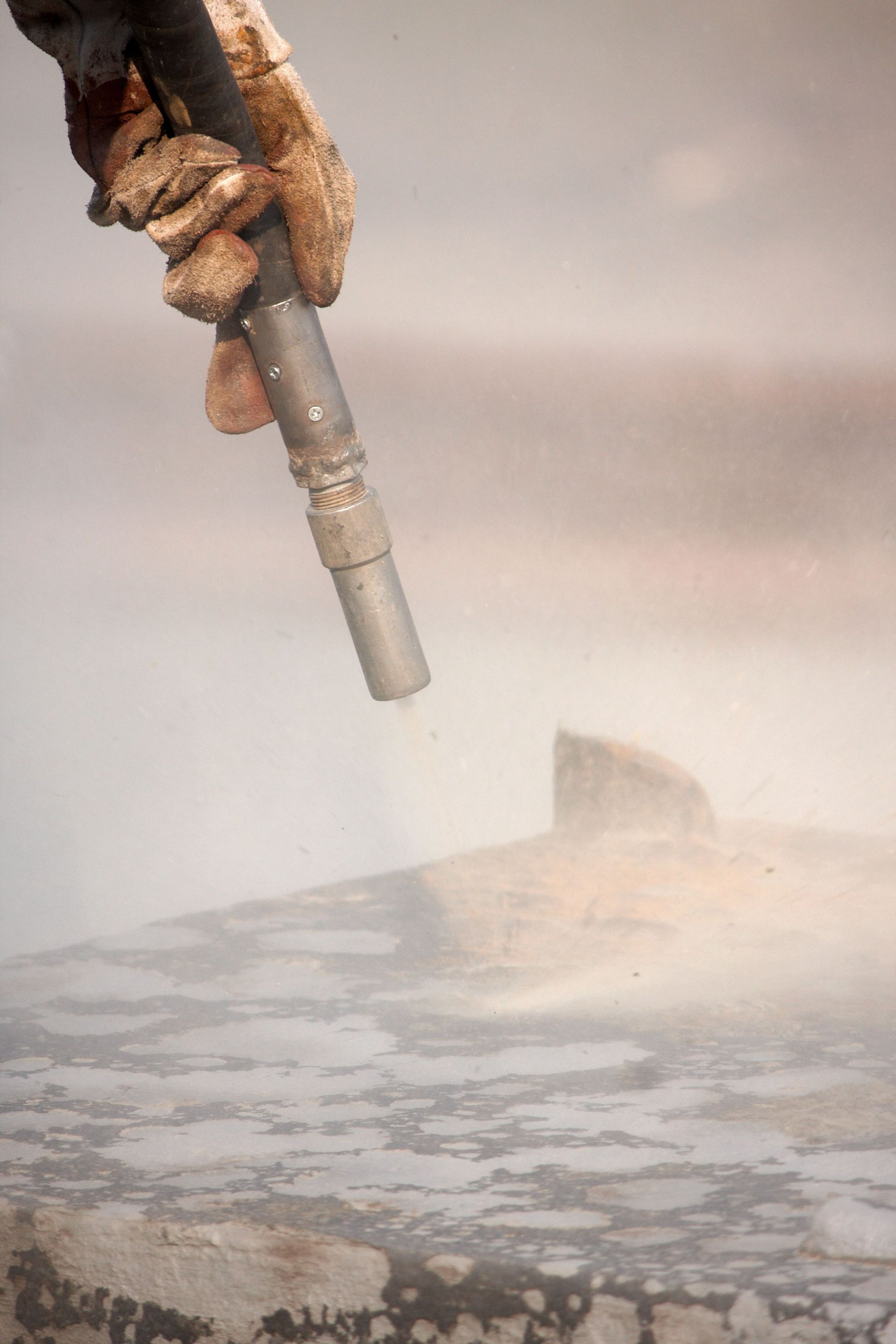
Sandblasting services are widely used for cleaning, restoring, and preparing surfaces across residential, commercial, and industrial projects. By propelling abrasive materials at high speed, it effectively removes rust, paint, stains, and contaminants that traditional cleaning methods often fail to address. However, despite its effectiveness, sandblasting is not a one-size-fits-all solution. Each material reacts differently to abrasion, and improper technique can lead to irreversible damage.
According to NiGen, an air compressor with 90 to 100 PSI is necessary to run a sandblaster effectively. Sandblasters are very powerful, and understanding which surfaces can be safely sandblasted—and how to adjust pressure, media, and technique accordingly—is essential for achieving optimal results. Factors such as material hardness, thickness, and intended finish all play a role in determining the correct approach. When done correctly, sandblasting not only restores surfaces but also enhances durability and prepares them for coatings, sealants, or refinishing.
The following sections break down the most common surfaces for sandblasting, along with best practices to ensure safe and effective application.
Metal Surfaces
Steel
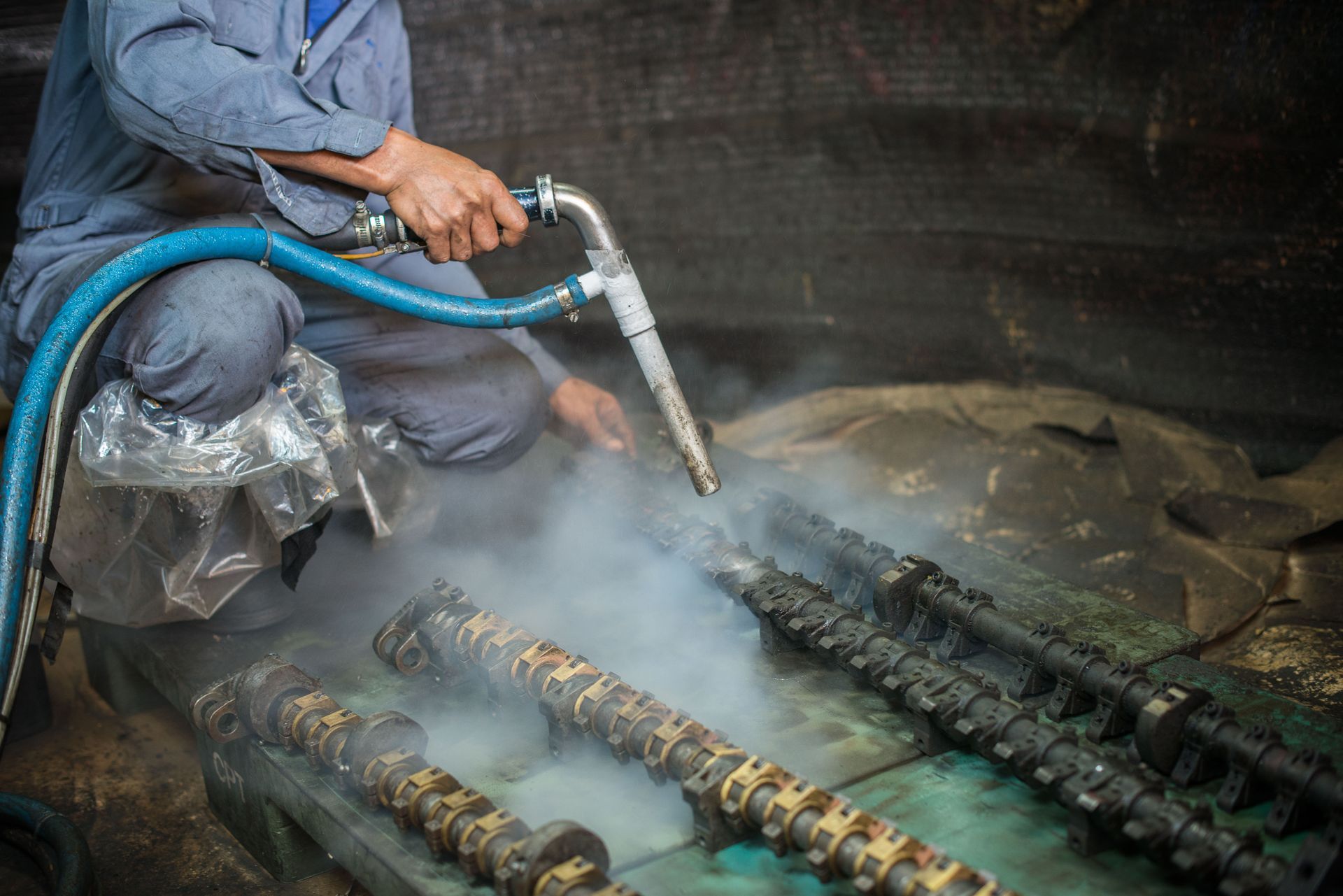
Steel is one of the most durable and commonly sandblasted materials. It responds exceptionally well to abrasive cleaning, making it ideal for removing rust, mill scale, and old coatings.
Beyond cleaning, sandblasting services play a crucial role in surface preparation. Creating a slightly roughened profile, it allows paints and coatings to adhere more effectively, significantly extending their lifespan. This is particularly important in industries such as construction, manufacturing, and infrastructure, where long-term durability is essential.
Proper safety precautions should always be followed, including protective gear and controlled environments to minimize exposure to airborne particles. When done correctly, sandblasting steel provides both immediate visual improvement and long-term performance benefits.
Aluminum
Aluminum requires a much more delicate approach due to its softer composition. High pressure or aggressive media can easily cause pitting, warping, or surface distortion. For this reason, softer abrasives like glass beads, baking soda, or plastic media are typically used.
Lower pressure settings help maintain control and prevent damage while still removing oxidation and contaminants. Sandblasting aluminum is commonly used in automotive, aerospace, and marine applications, where maintaining both appearance and structural integrity is critical.
Testing a small, inconspicuous area before proceeding is strongly recommended. This ensures the selected method achieves the desired result without compromising the material.
Brass & Decorative Metals
Brass and other decorative metals require precision and care during sandblasting. These materials are softer and often feature intricate details that can be easily damaged by aggressive blasting.
Using low pressure and gentle abrasives such as walnut shells or plastic beads helps clean the surface while preserving fine details. In addition to cleaning, sandblasting can also be used to create specific finishes, such as matte or satin textures, which are often desired in decorative applications.
After blasting, applying a protective coating is essential to prevent tarnishing and maintain the metal’s appearance over time.
Automotive Applications
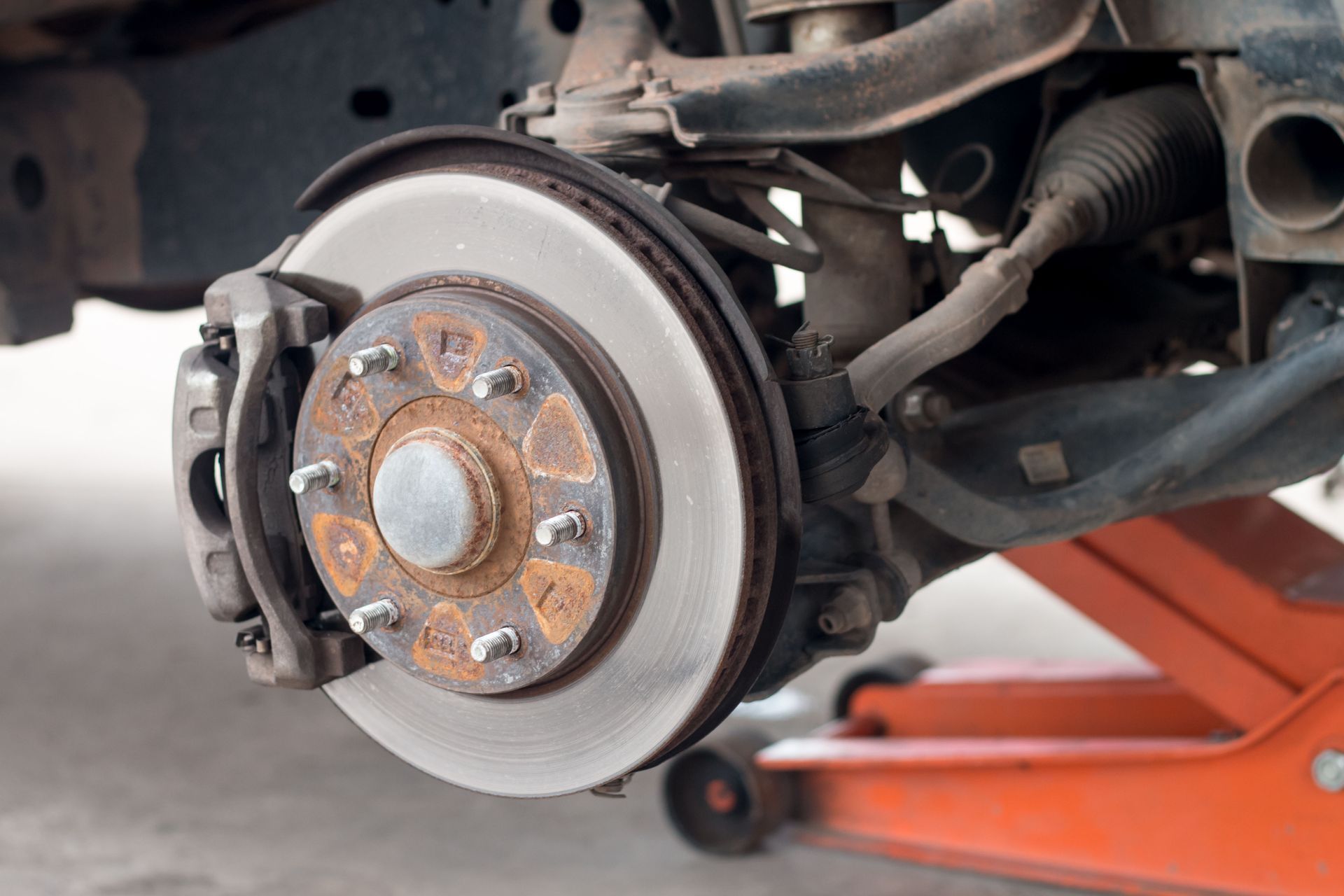
In automotive restoration and repair, sandblasting is an essential process for removing paint, rust, and contaminants. It is particularly useful for restoring older vehicles, where multiple layers of paint or corrosion may be present.
Different parts of a vehicle require different approaches. Thicker components like frames can handle more aggressive blasting, while thinner panels require reduced pressure and careful handling to avoid warping. Masking sensitive areas is also critical to prevent unintended damage.
Sandblasting ensures a clean, uniform surface that is ready for priming and painting, contributing to a professional-quality finish.
Stainless Steel
Stainless steel is often sandblasted not only for cleaning but also for finishing. The process removes surface imperfections and creates a consistent appearance, whether matte or polished.
This is especially important in industries where cleanliness and aesthetics are crucial, such as food processing, healthcare, and marine environments. A properly blasted surface resists corrosion and is easier to maintain over time.
Selecting the right media and maintaining consistent technique ensures a uniform finish without compromising the material’s protective properties.
Concrete Surfaces
Cleaning
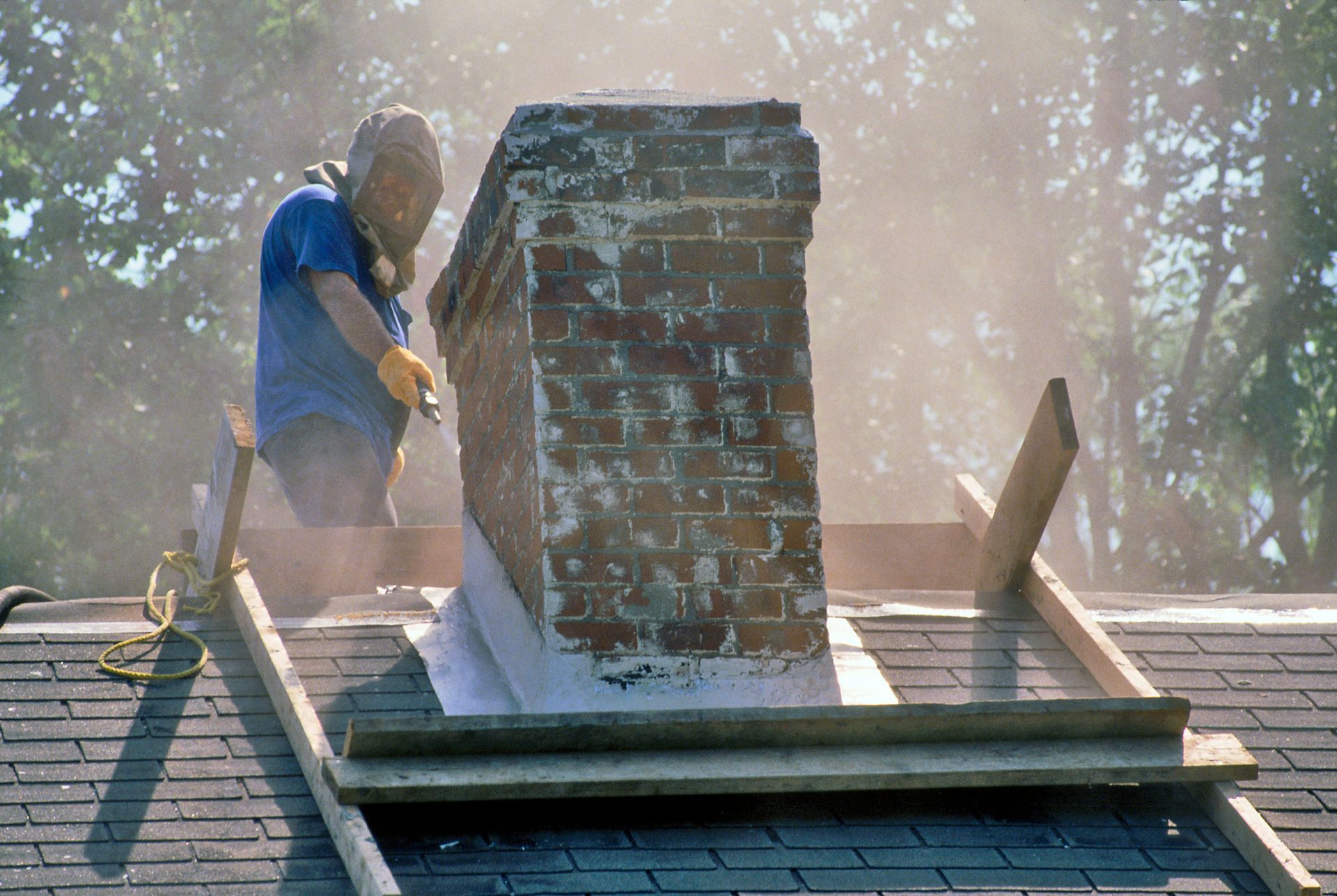
Concrete surfaces, such as driveways, sidewalks, and patios, are highly durable and well-suited for sandblasting. The process effectively removes dirt, mold, mildew, oil stains, and other contaminants that accumulate over time.
When performed correctly, sandblasting can dramatically improve the appearance of outdoor spaces while also preventing long-term damage caused by trapped moisture or chemical residues. However, excessive pressure should be avoided to prevent surface erosion or pitting.
Surface Preparation
Sandblasting services are an effective method for preparing concrete surfaces for coatings. Removing contaminants and creating a slightly rough texture, it improves the adhesion of paints, sealants, and epoxy coatings.
This preparation step is critical for ensuring the longevity and durability of the finished surface. Without proper preparation, coatings are more likely to peel or fail prematurely.
Paint & Stain Removal
Removing old paint or stubborn stains from concrete can be challenging with traditional methods. Sandblasting provides a fast and efficient solution, stripping away layers and restoring the surface to its original condition.
This makes it an ideal choice for renovation projects where a clean slate is needed before applying new finishes.
Texturing
Sandblasting can also be used to create decorative or functional textures on concrete surfaces. From subtle finishes to more pronounced patterns, this technique allows for customization in both residential and commercial settings.
Textured surfaces can improve slip resistance, making them particularly useful in areas exposed to moisture.
Repairing Imperfections
Over time, concrete surfaces can develop uneven areas, stains, or minor imperfections. Sandblasting helps smooth and blend these inconsistencies, creating a more uniform appearance.
It also prepares the surface for further repairs or refinishing, making it a valuable step in maintenance and restoration projects.
Wood Surfaces
Paint Removal
Sandblasting services can remove paint from wood, but it must be done with extreme care. Wood is a softer, organic material that can be easily damaged if too much pressure is applied.
Using gentle abrasives and controlled techniques helps preserve the natural grain while removing unwanted coatings. Hardwoods tend to respond better than softer woods.
Antique Restoration
For antique furniture and delicate woodwork, sandblasting can be a useful but specialized tool. When applied carefully, it removes old finishes and reveals the natural beauty of the wood beneath.
However, preserving detail and historical character is critical, so low pressure and fine media should always be used. In many cases, sandblasting is combined with hand-finishing techniques for the best results.
Preparing for Repainting
Before repainting or refinishing wood, the surface must be clean and properly prepared. Sandblasting services can help remove old coatings and create a surface that allows new finishes to adhere more effectively.
As with all wood applications, careful control is essential to avoid damaging the material.
Choosing the Right Sandblasting Approach for Every Surface
Sandblasting services offer a highly effective technique that offers powerful cleaning, restoration, and surface preparation benefits across a wide range of materials. From heavy-duty steel and resilient concrete to delicate aluminum and wood, its versatility makes it a valuable tool in both industrial and residential settings. However, its effectiveness is directly tied to how well the process is tailored to the specific surface being treated.
Each material responds differently to abrasion, and understanding these differences is key to avoiding costly mistakes. Harder surfaces like steel and concrete can withstand higher pressures and more aggressive media, making them ideal candidates for deep cleaning and heavy restoration. In contrast, softer materials such as aluminum, brass, and wood require a far more controlled approach, with lower pressure settings and gentler abrasives to prevent damage.
Equally important is the selection of the correct blasting media. Options such as glass beads, walnut shells, baking soda, and plastic grit allow operators to fine-tune the process based on the desired outcome. Whether the goal is to strip paint, remove corrosion, or create a decorative finish, choosing the right combination of media and pressure ensures both effectiveness and surface preservation. Safety and preparation should also never be overlooked. Proper protective equipment, adequate ventilation, and testing in small areas all contribute to successful results.
Ultimately, sandblasting is not just about removing unwanted material—it’s about preparing surfaces for what comes next. When performed correctly,
sandblasting services enhance durability, improve appearance, and create a strong foundation for coatings and finishes. By taking the time to understand each surface and applying the appropriate techniques, you can confidently use sandblasting to achieve professional, long-lasting results. No matter which surface you need sandblasting for, contact A&J Ecoblasting for reliable service.