The Benefits of Abrasive Sandblasting for Heavy-Duty Surface Preparation
May 6, 2026
Abrasive sandblasting plays a key role in heavy-duty surface preparation across multiple industries. From construction sites to marine vessels and automotive facilities, this method delivers fast and reliable results. It removes stubborn buildup and prepares materials for coatings that need strong adhesion.
According to IST, sandblasting was invented in the United States in 1870, introducing a more efficient way to clean and treat surfaces. Today, it remains a trusted process because it works across a wide range of materials and conditions.
Explaining the Sandblasting Process
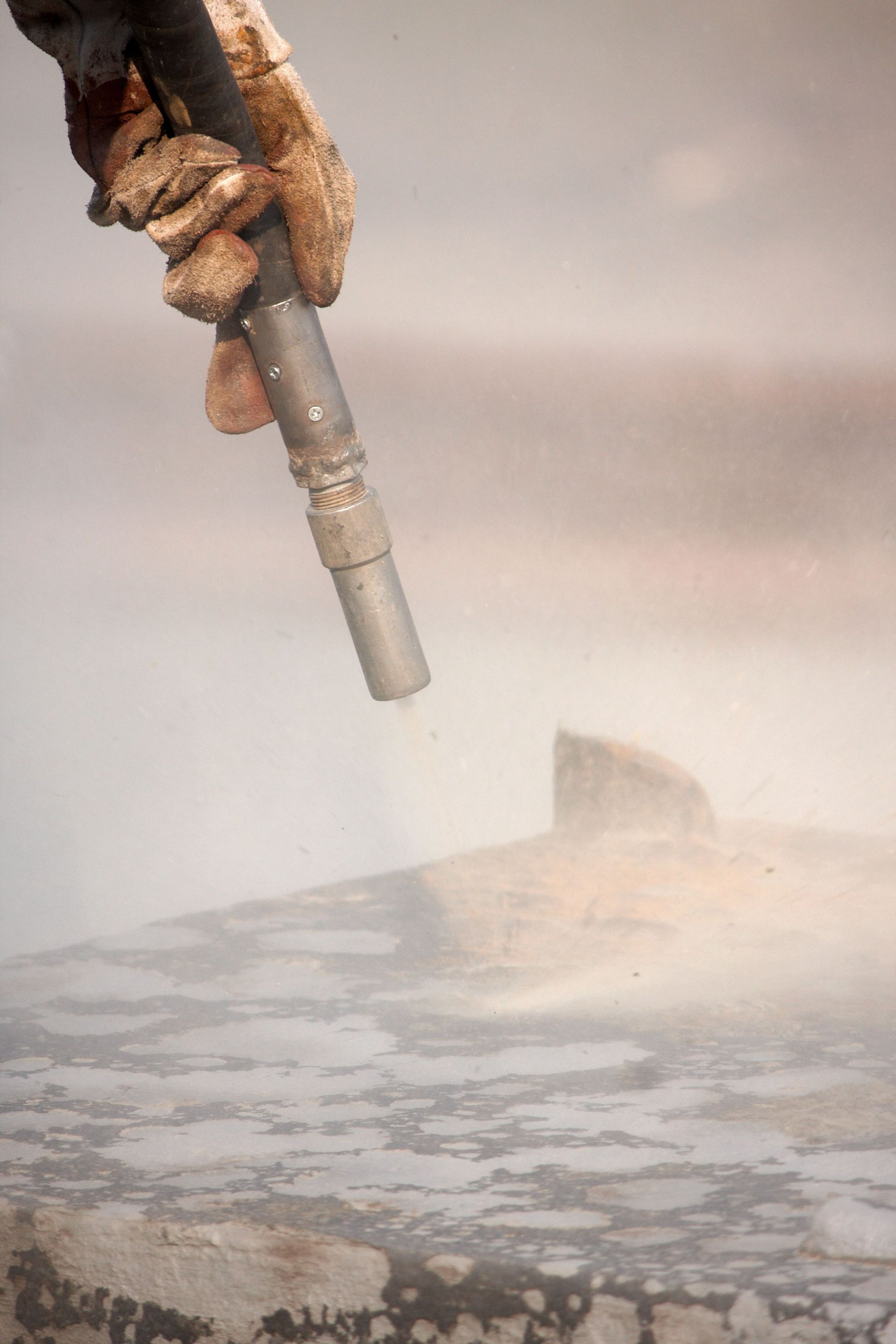
Abrasive sandblasting works by forcing abrasive media against a surface using compressed air. This impact strips away rust, paint, dirt, and other contaminants. The result is a clean, textured surface ready for the next step.
Different materials create different outcomes. Steel grit handles heavy-duty removal, while glass beads produce a smoother finish. The right choice depends on the surface and the desired result. Equipment typically includes a compressor, blasting pot, and protective gear for operators.
Comparing Surface Preparation Methods
Other methods, such as grinding or chemical treatments, can prepare surfaces, but they often fall short in speed or consistency. Grinding can be precise but slow. Chemical methods may require more time and careful handling.
Abrasive sandblasting stands out because it balances speed, coverage, and uniform results. It handles large areas efficiently while maintaining consistent surface quality, which is critical for industrial projects.
Improving Cleaning Speed and Efficiency
One of the biggest advantages of sandblasting is how quickly it completes cleaning tasks. Manual scraping or brushing takes time and effort, especially on large surfaces. In contrast, blasting clears contaminants in a fraction of the time.
This speed helps reduce labor demands and keeps projects moving. Crews can complete jobs faster without sacrificing quality, which makes the process practical for both small and large operations.
Removing Contaminants Thoroughly
Surface buildup can interfere with coatings and weaken materials over time. Abrasive sandblasting removes layers of rust, old paint, and debris with precision. It reaches areas that are difficult to clean with other methods.
A clean surface supports better coating adhesion and longer-lasting results. This is especially important in industries where materials face constant exposure to moisture, chemicals, or wear.
Creating Stronger Surface Profiles
Beyond cleaning, sandblasting improves how coatings bond to surfaces. The process creates a controlled texture that allows paint, sealants, or coatings to grip more effectively.
This added adhesion helps extend the life of the finish. Surfaces treated this way resist peeling, cracking, and early failure, which reduces maintenance needs over time.
Supporting Long-Term Durability
Proper preparation leads to longer-lasting materials. When coatings adhere correctly, they protect surfaces from corrosion and damage. This reduces the need for frequent repairs or reapplications.
Industries such as marine and construction rely on abrasive sandblasting because it helps materials perform better under stress. Over time, this translates into lower costs and fewer disruptions.
Expanding Industrial Applications
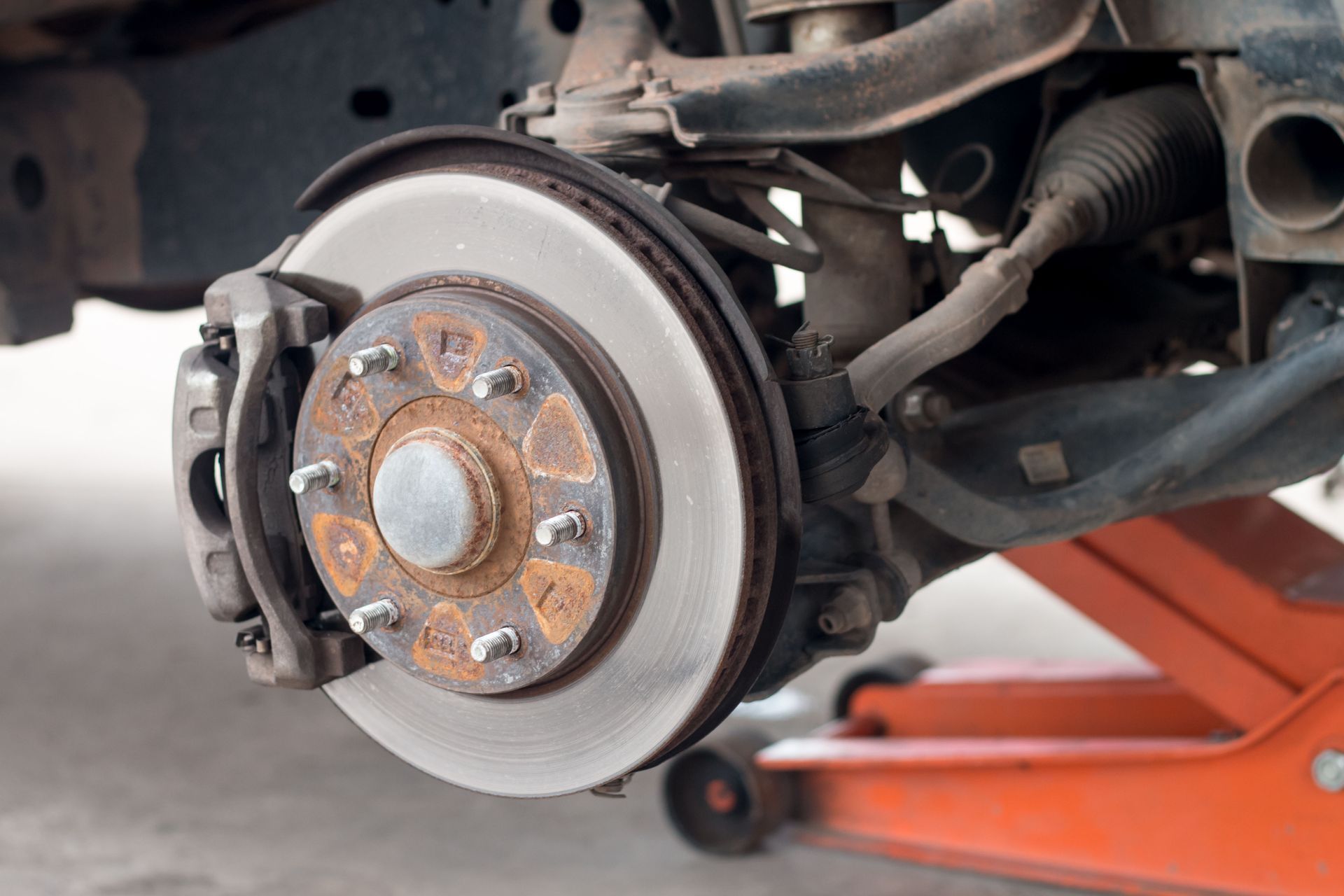
The use of abrasive sandblasting continues to grow because of its flexibility across industries. In automotive work, it prepares frames and parts before repainting or restoration. In marine environments, it removes corrosion from hulls and metal structures exposed to saltwater.
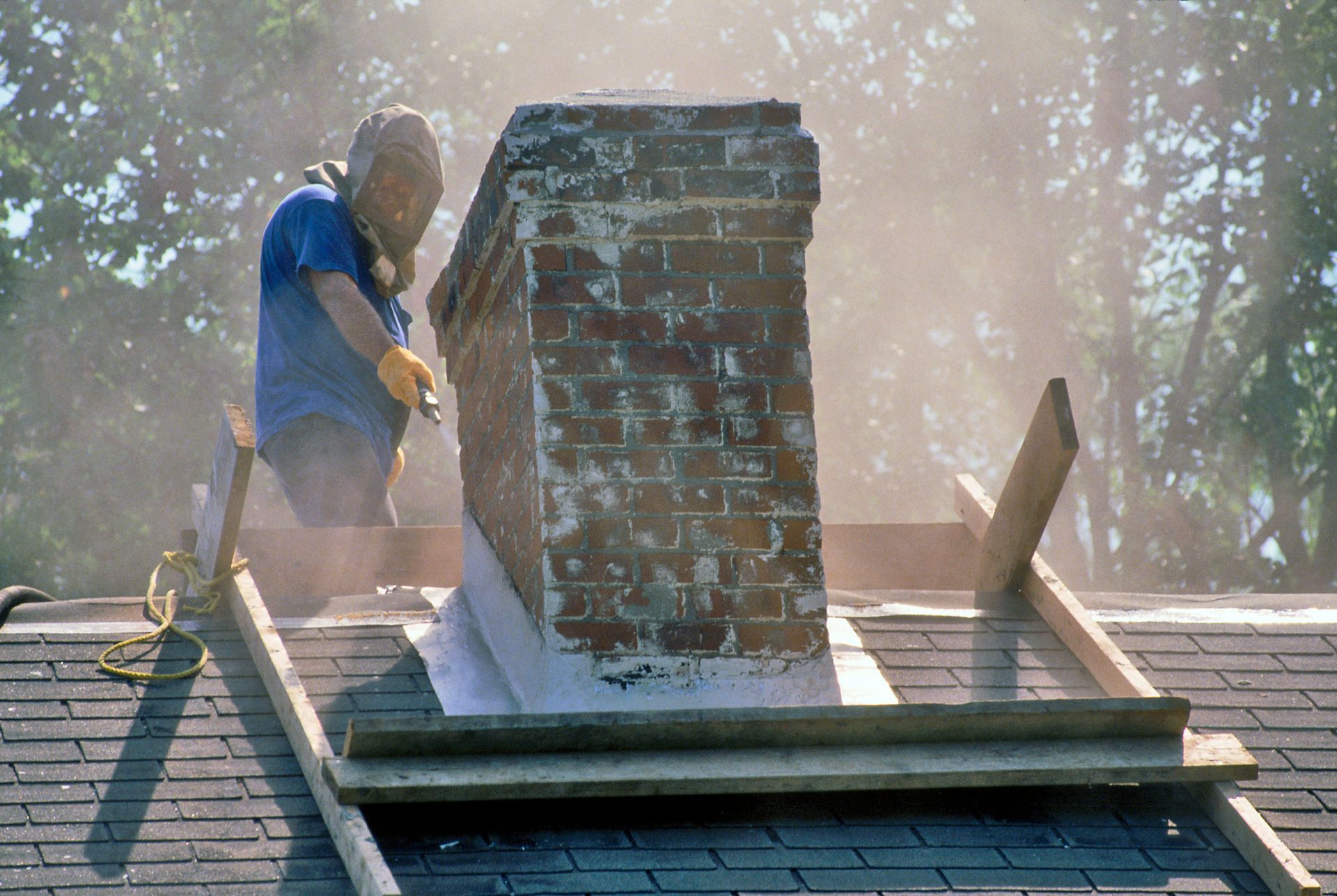
Construction projects also benefit from this process. Concrete, brick, and steel surfaces often require preparation before coatings or sealants are applied. Sandblasting allows crews to treat large surfaces evenly, which improves both appearance and durability.
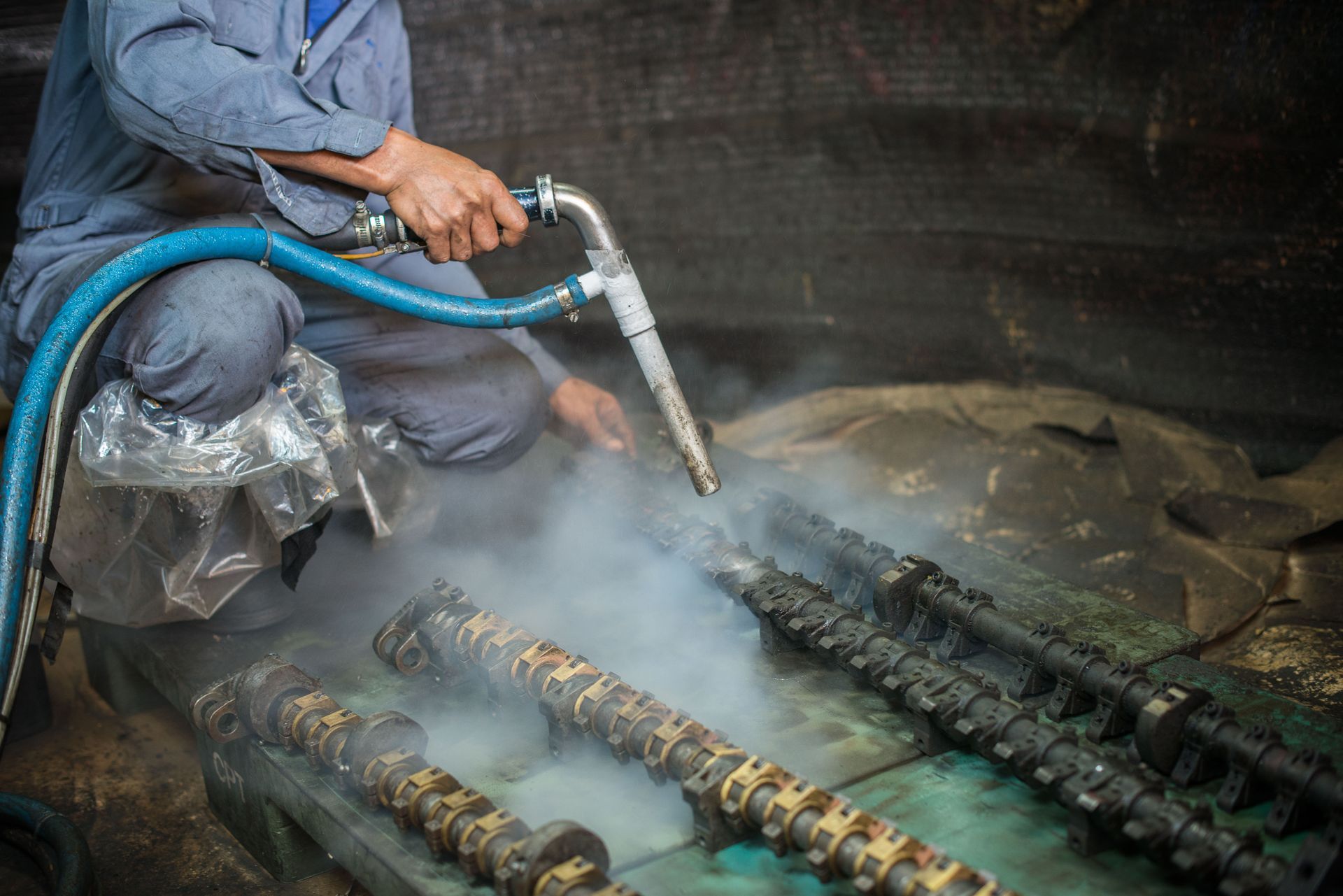
Manufacturing environments rely on consistent surface preparation to maintain quality. Even small inconsistencies can affect how coatings perform. This method helps reduce that risk by delivering repeatable results across production runs.
Improving Project Cost Efficiency
While equipment and setup require an initial investment, long-term savings often follow. Faster cleaning times reduce labor hours. Fewer surface failures mean less rework.
Sandblasting also supports better coating performance, which lowers maintenance costs. Surfaces last longer, and repairs become less frequent. Over time, this creates a more predictable maintenance schedule and better budget control.
For businesses managing large assets or facilities, these savings can add up quickly. The ability to complete work efficiently without sacrificing quality makes a noticeable difference.
Addressing Surface Challenges in Harsh Environments
Surfaces exposed to extreme conditions require more than basic cleaning. Industrial sites, coastal structures, and heavy equipment often face constant wear from moisture, chemicals, and temperature changes. These factors speed up corrosion and surface breakdown.
Sandblasting provides a practical solution in these environments. It removes deep-set contaminants and prepares surfaces so protective coatings can perform as intended. Without proper preparation, even high-quality coatings may fail early.
This approach helps extend the life of equipment and structures operating in demanding conditions. It also reduces the risk of unexpected failures, which can disrupt operations and increase repair costs.
Supporting Consistent Project Outcomes
Consistency matters in surface preparation. Uneven cleaning or surface texture can lead to coating issues, including peeling or weak adhesion. These problems often require costly rework.
Sandblasting helps eliminate that variability. By delivering even coverage across the entire surface, it creates a reliable foundation for coatings. This consistency supports better results across projects of all sizes.
Teams can move forward with confidence, knowing the surface has been prepared correctly. That reliability becomes especially valuable on large-scale jobs where delays or errors can impact timelines and budgets.
Extending Equipment Lifespan
Routine surface preparation plays a direct role in how long equipment and structures last. When corrosion and buildup are removed early, materials are less likely to weaken over time. This proactive approach helps prevent more serious structural damage.
Sandblasting supports maintenance programs by making it easier to restore surfaces before issues escalate. Instead of waiting for visible failure, teams can address wear at earlier stages. This reduces downtime and keeps operations running more smoothly.
For industries that depend on heavy machinery or large infrastructure, extending lifespan is a major advantage. It protects investments and reduces the frequency of costly replacements.
Managing Environmental Impact
Modern sandblasting practices continue to improve in terms of environmental responsibility. Many operators now use recycled or low-toxicity abrasives to limit environmental impact.
Dust control systems also play a major role. Advanced filtration and containment methods reduce airborne particles and protect both workers and the surrounding areas. Responsible waste handling further supports cleaner operations.
Maintaining Safety Standards
Safety remains a critical part of any blasting operation. Operators wear protective equipment such as gloves, helmets, and respirators to guard against debris and dust.
Training also matters. Skilled operators understand how to manage equipment safely and maintain consistent results. Clear procedures and regular inspections help reduce risks on the job site.
Adopting Modern Innovations
Advancements in equipment have improved how sandblasting is performed. Automated systems and improved nozzle designs allow for greater control and precision. These upgrades help operators achieve better results while limiting exposure to hazards.
New abrasive materials continue to expand what the process can handle. With ongoing improvements, sandblasting remains a reliable option for evolving industry demands.
Reinforcing Long-Term Value Through Surface Preparation
Abrasive sandblasting continues to prove its value in surface preparation by delivering speed, consistency, and durability across demanding applications. It allows industries to clean, restore, and prepare surfaces with a level of precision that supports stronger coating performance and longer-lasting results. When surfaces are properly prepared, coatings adhere better, resist wear more effectively, and require less frequent maintenance.
This process also supports better project efficiency. Faster turnaround times, reduced labor demands, and fewer errors help teams stay on schedule and within budget. Over time, these advantages contribute to more predictable operations and lower overall maintenance costs. Businesses that rely on heavy equipment, infrastructure, or large-scale facilities benefit from a process that improves both immediate outcomes and long-term performance.
Beyond performance, modern practices continue to address environmental and safety expectations. With improved dust control systems, responsible abrasive selection, and well-trained operators, sandblasting remains a practical and responsible choice for surface preparation. If you’re ready to improve surface performance and extend the lifespan of your assets, now is the time to connect with a trusted team at A&J Ecoblasting and request a call back to get started.