How Abrasive Sandblasting Can Help Restore Surfaces
September 27, 2026
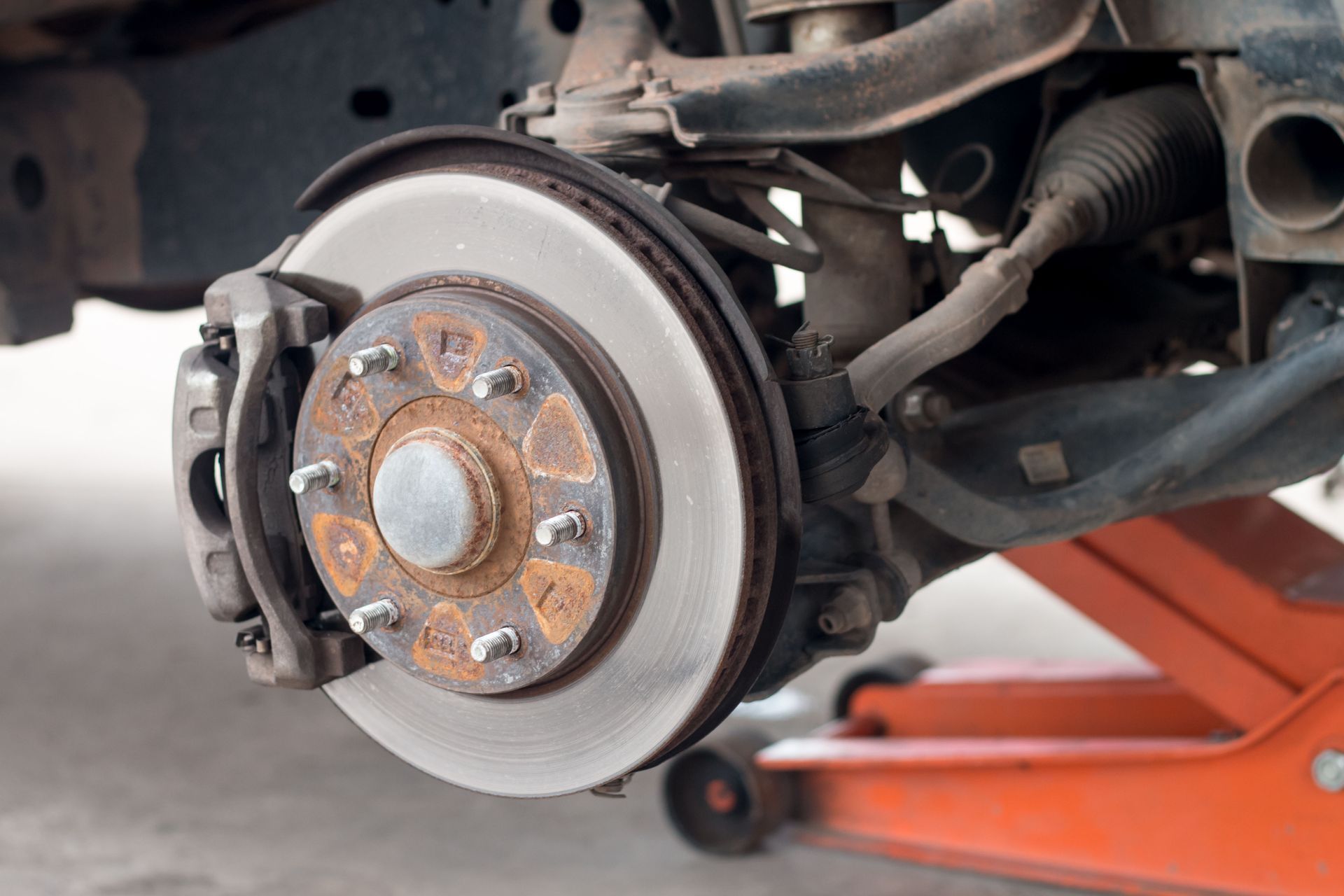
Abrasive sandblasting is a technique employed to clean, restore, and prepare surfaces across various industries. By propelling abrasive particles onto a surface at high velocity, sandblasting can remove paint, rust, contaminants, or any form of surface coating. The versatility of this technique makes it suitable for numerous applications, from heavy-duty industrial tasks to delicate historical restoration projects. Sandblasting is leveraged in settings ranging from automotive workshops to historical site refurbishments. Understanding its breadth of use and technical specifics is crucial for anyone looking to utilize or appreciate this transformative technology.
Modern surface preparation requires sophisticated methodology to ensure long-term structural integrity across a vast variety of challenging material substrates. When dynamic media propulsion is applied properly, it strips away unwanted surface layers while leaving the underlying substrate completely sound and ready for secondary finishing treatments. The entire process relies heavily on choosing the appropriate blast media, adjusting precise nozzle velocity, and maintaining a constant working distance from the target plane. Professional surface technicians evaluate every project individually, selecting specialized equipment and precise operational parameters to optimize efficiency while preserving the base structural material.
Understanding Core Machinery Mechanisms
Abrasive sandblasting relies on precise mechanical principles to deliver consistent surface treatment outcomes across diverse commercial and industrial substrates. The delivery system forces air and media through specialized hoses and nozzles, converting pneumatic pressure into high kinetic velocity. Modern blast pots use accurate metering valves to control the precise ratio of media to air, ensuring maximum impact efficiency without wasting valuable material resources during long operations. Proper nozzle selection plays a critical role, as venturi nozzle designs accelerate particles to much higher speeds than straight-bore nozzles, significantly expanding total operational capacity.
The process of surface restoration offers unparalleled precision and efficacy, enabling operators to tackle various surface conditions with complete confidence. The technology relies heavily on the choice of abrasive medium, each providing unique operational benefits depending on the required outcome. For instance, glass beads are favored for their ability to produce a smooth finish without substantial material removal. Conversely, aluminum oxide is preferred for more aggressive applications demanding deeper surface penetration and aggressive profile creation. The adaptability of sandblasting results in its widespread application across multiple heavy industrial sectors.
Tracing Historical Process Evolution
The early history of mechanical surface restoration dates back to the late nineteenth century when basic pressure systems were first conceptualized and patented for commercial use. Initial efforts relied almost exclusively on mined mineral sand, which gave the process its original name and established foundational operational concepts that are still referenced today. Over subsequent decades, industrial researchers realized that alternative media could offer far greater operational control and eliminate severe health risks associated with crystalline silica dust. This pivotal realization triggered rapid innovation in machinery design, pressure regulation systems, and media recycling capabilities across global manufacturing sectors.
The introduction of sandblasting cabinets in 1918, according to IST, marked another significant milestone, enabling more precise and controlled operations. Today, the technique is constantly refined with technological advancements contributing to greater sophistication and efficacy. Historically, the sandblasting process has undergone numerous improvements aimed at increasing speed, operator safety, and operational precision. This continuous evolution has dramatically broadened the application spectrum, allowing highly specialized media to be used on delicate surfaces previously considered far too fragile for pressure treatments.
Selecting Specialized Medium Varieties
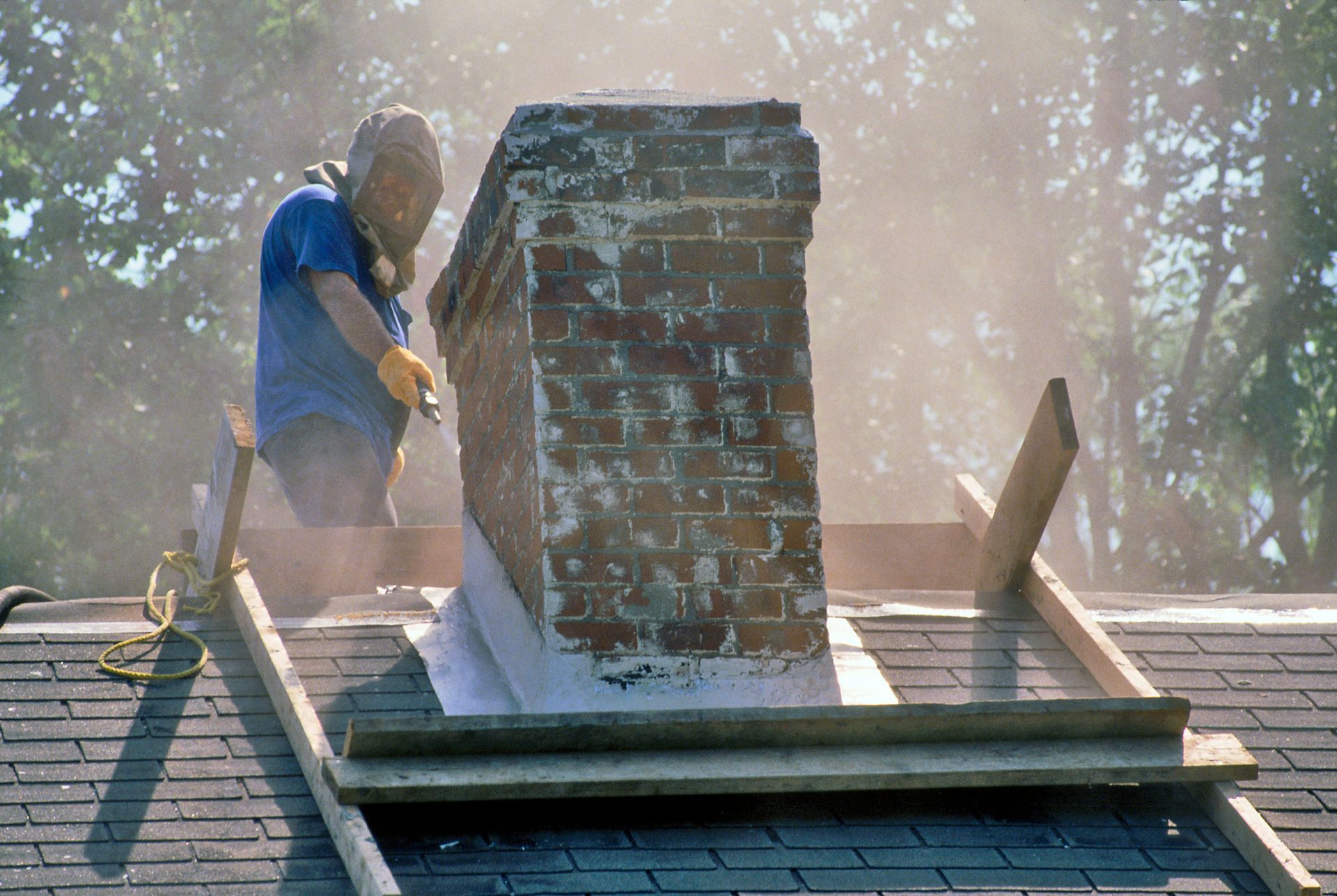
Selecting the proper blast medium is absolutely essential for achieving desired surface finishes without causing unintended substrate damage or profile distortion. Abrasive sandblasting incorporates a vast array of materials, ranging from hard synthetic minerals to softer organic substances sourced from agricultural manufacturing. Steel shot and grit excel at heavy rust removal and structural steel profiling, whereas crushed glass provides excellent performance for log home restoration and historic masonry cleaning. Understanding particle size, shape, density, and Mohs hardness allows trained operators to tailor the cleaning action precisely to unique project requirements.
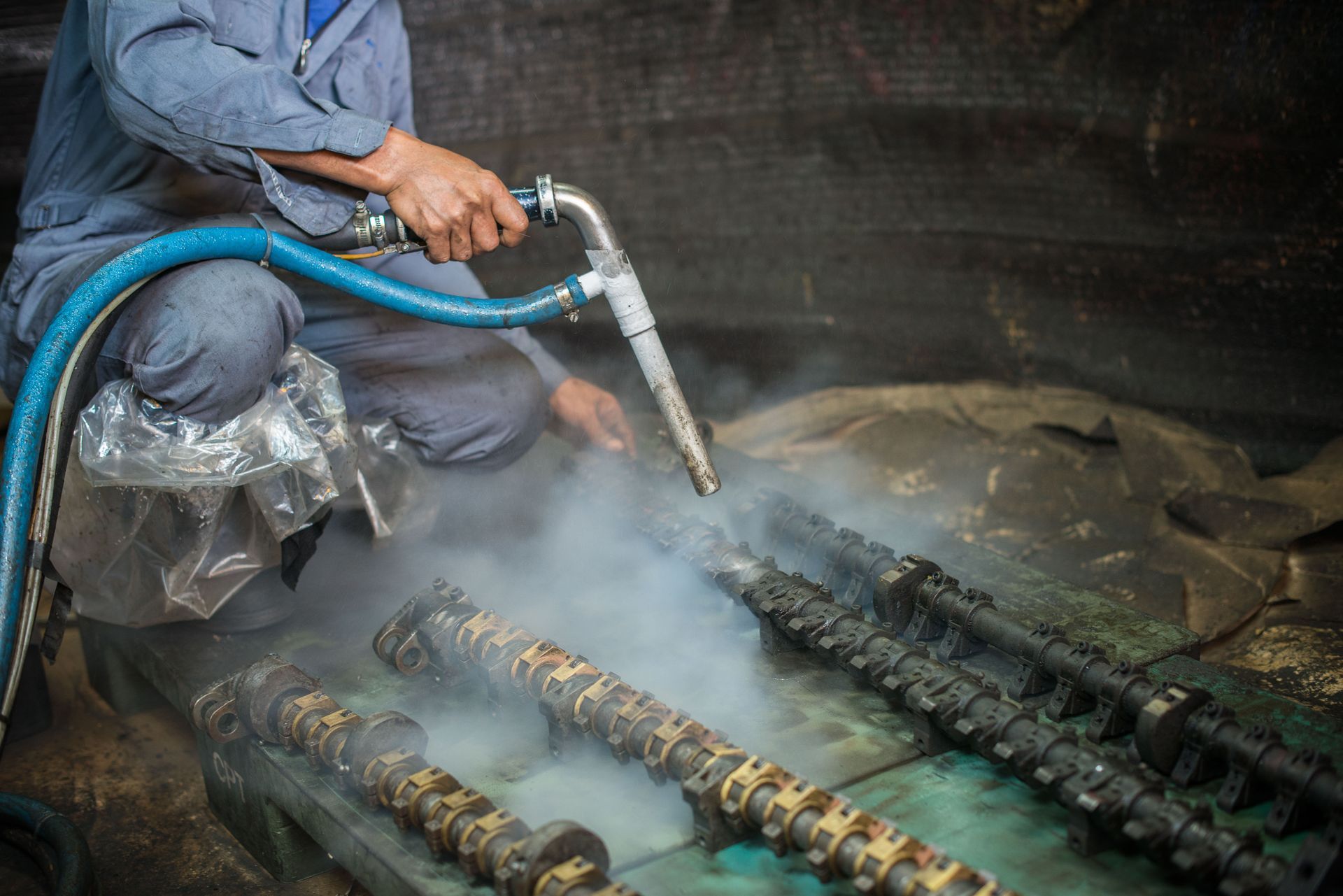
Modern restoration contractors frequently utilize specialized media like garnet and aluminum oxide for challenging industrial tasks that demand high speed. Garnet offers high density and sharp angular edges, making it ideal for rapid coating removal and precise surface profiling prior to painting. On the softer end of the operational spectrum, agricultural byproducts like walnut shells and corn cobs allow for gentle paint removal from delicate vintage components without etching the underlying metal. This extensive variety of media options ensures that virtually any material can be cleaned efficiently and safely without sacrificing quality.
Implementing Essential Safety Standards
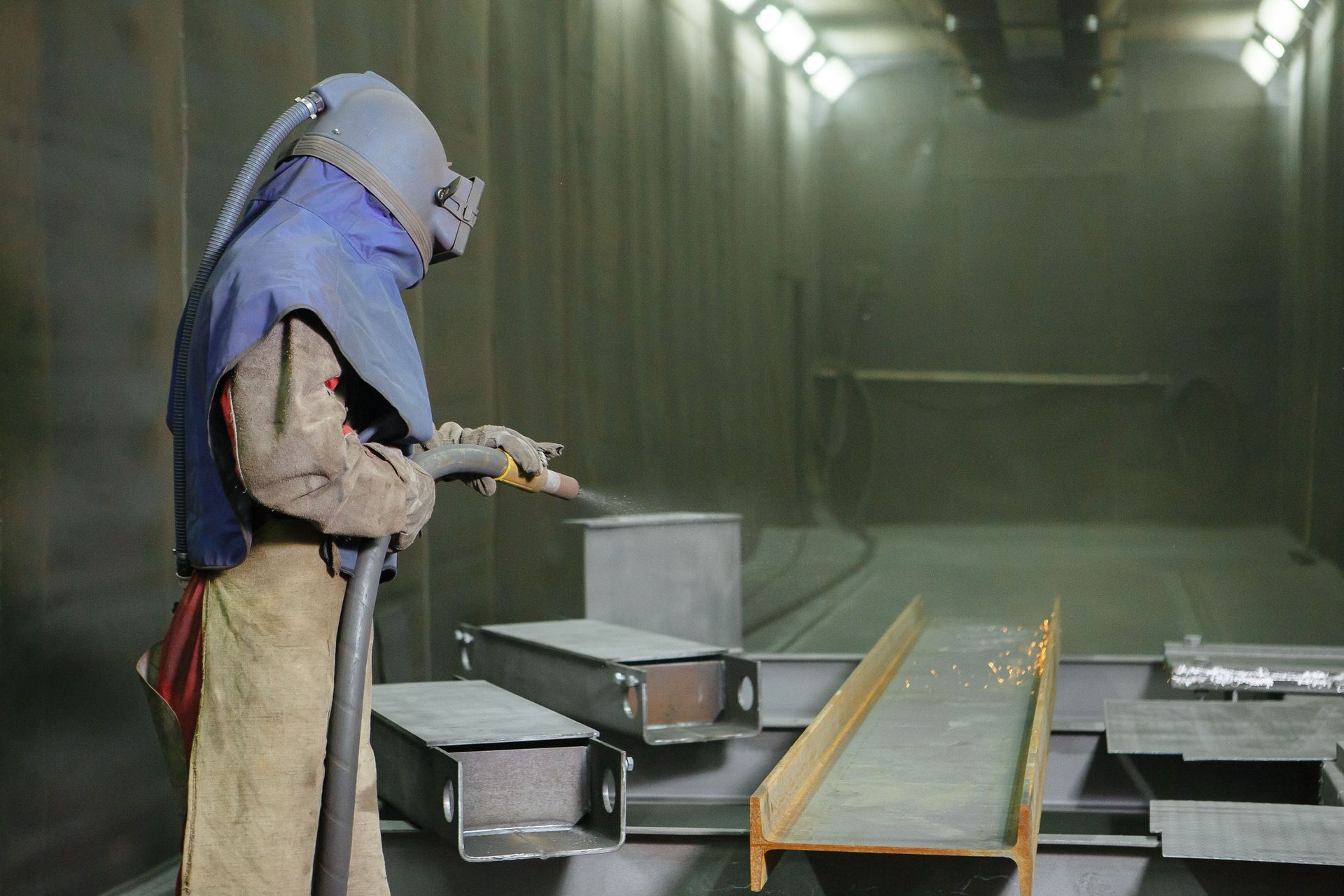
Safe execution of heavy blast operations requires comprehensive containment strategies and rigorous personal protective equipment standards across every job site. Operators must wear positive-pressure supplied-air respirators to protect against hazardous particulate inhalation during active blasting operations in confined spaces. Heavy-duty leather suits, specialized blast gloves, and safety footwear shield workers from ricocheting media particles and direct high-velocity exposure. Proper blast room ventilation systems clear airborne dust rapidly, maintaining clear visibility for the operator and preventing dangerous contaminant accumulation within the working enclosure.
Equipment maintenance represents another vital aspect of overall operational safety and quality control during demanding restoration contracts. Blast hoses must undergo regular visual and physical inspection to detect internal tube wear and prevent sudden blowouts under high operational pressure. Deadman control switches are mandatory safety features, automatically shutting off media flow instantly if the operator loses physical control of the nozzle assembly. Furthermore, comprehensive grounding systems must be established during media propulsion to eliminate static electricity buildup, protecting operators from electric shocks and preventing potential ignition in volatile environments. Strictly enforcing these protocols ensures that team members remain fully safe throughout every stage of the surface restoration process.
Evaluating Overall Project Cost-effectiveness
Contracting professional surface restoration yields substantial long-term economic benefits across commercial, marine, and industrial infrastructure projects. Abrasive sandblasting quickly removes stubborn coatings, mill scale, and heavy corrosion that would otherwise require hundreds of hours of manual labor to scrape or sand by hand. This rapid operational throughput dramatically reduces overall downtime for commercial facilities, allowing production lines, heavy equipment, and fleet vehicles to return to revenue-generating service much faster. The high initial speed translates directly into reduced labor overhead and significantly lower total project expenditures over time.
Beyond immediate time savings, proper blast preparation significantly extends the total lifespan of newly applied protective coatings and industrial linings. By creating a clean anchor profile with precise surface depth, the surface allows modern epoxy and polyurethane coatings to bond permanently without risk of premature delamination or blistering. This superior adhesion prevents moisture intrusion and sub-film corrosion, drastically reducing the frequency and cost of future maintenance cycles. Investing in thorough surface preparation ultimately safeguards major capital assets and optimizes long-term asset management budgets. Consequently, facilities that prioritize initial surface prep enjoy lower lifetime maintenance expenses and greater operational predictability.
Surface preparation and restoration remain essential processes across industrial, commercial, and artistic applications worldwide. By utilizing controlled kinetic force and tailored media, professional abrasive sandblasting removes surface contaminants, eliminates rust, and creates ideal anchor profiles for modern protective coatings. The historical evolution from basic mineral sand to highly specialized, eco-friendly media demonstrates a continuous industry commitment to workplace safety, operational efficiency, and high-quality finishes. Whether maintaining commercial marine fleets or restoring historical architecture, professional surface treatment provides unmatched longevity and structural integrity. Partner with the experts at A&J Ecoblasting today to schedule a comprehensive evaluation for your next surface restoration project.