How Automotive Sandblasting Service Supports Vehicle Restoration Projects
November 4, 2026
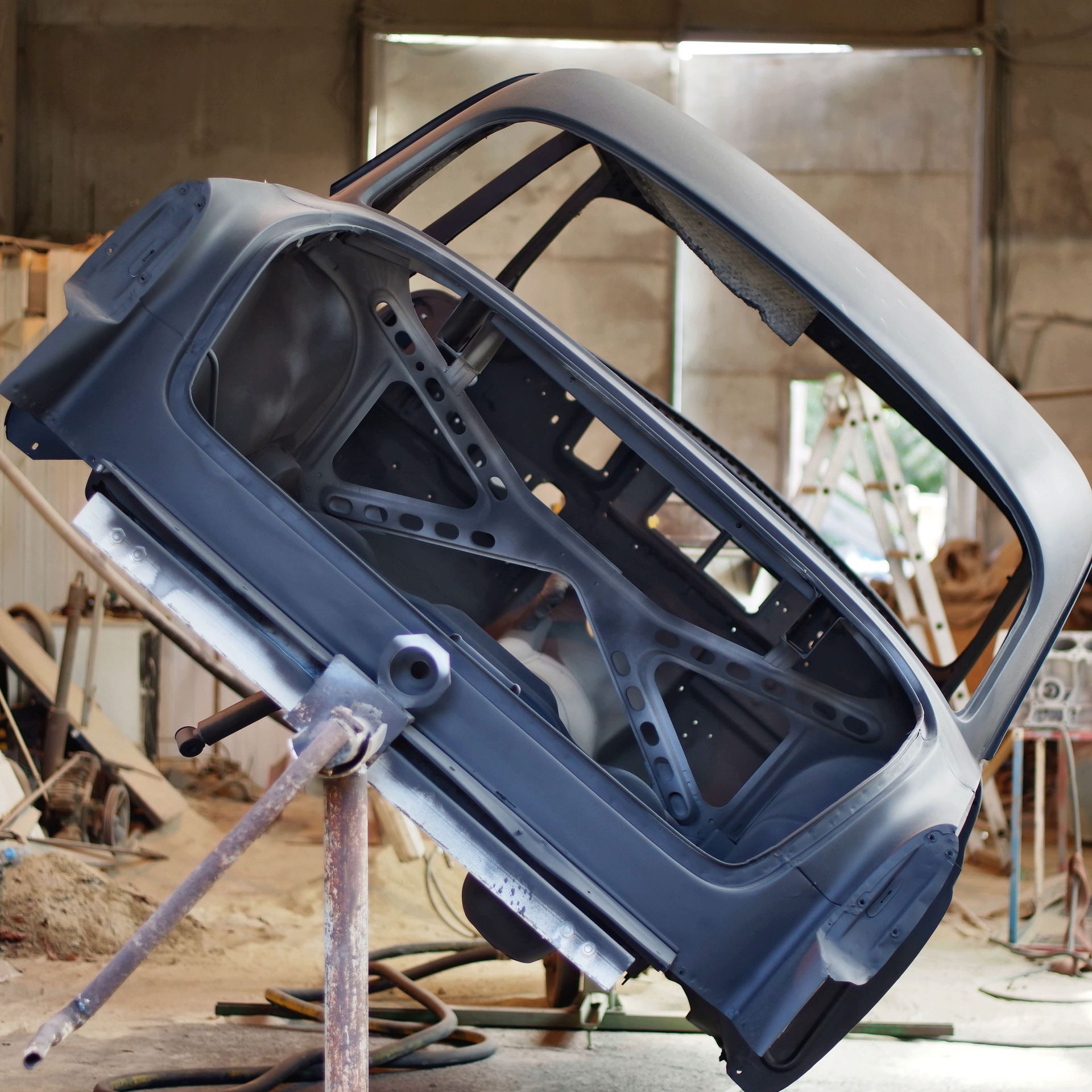
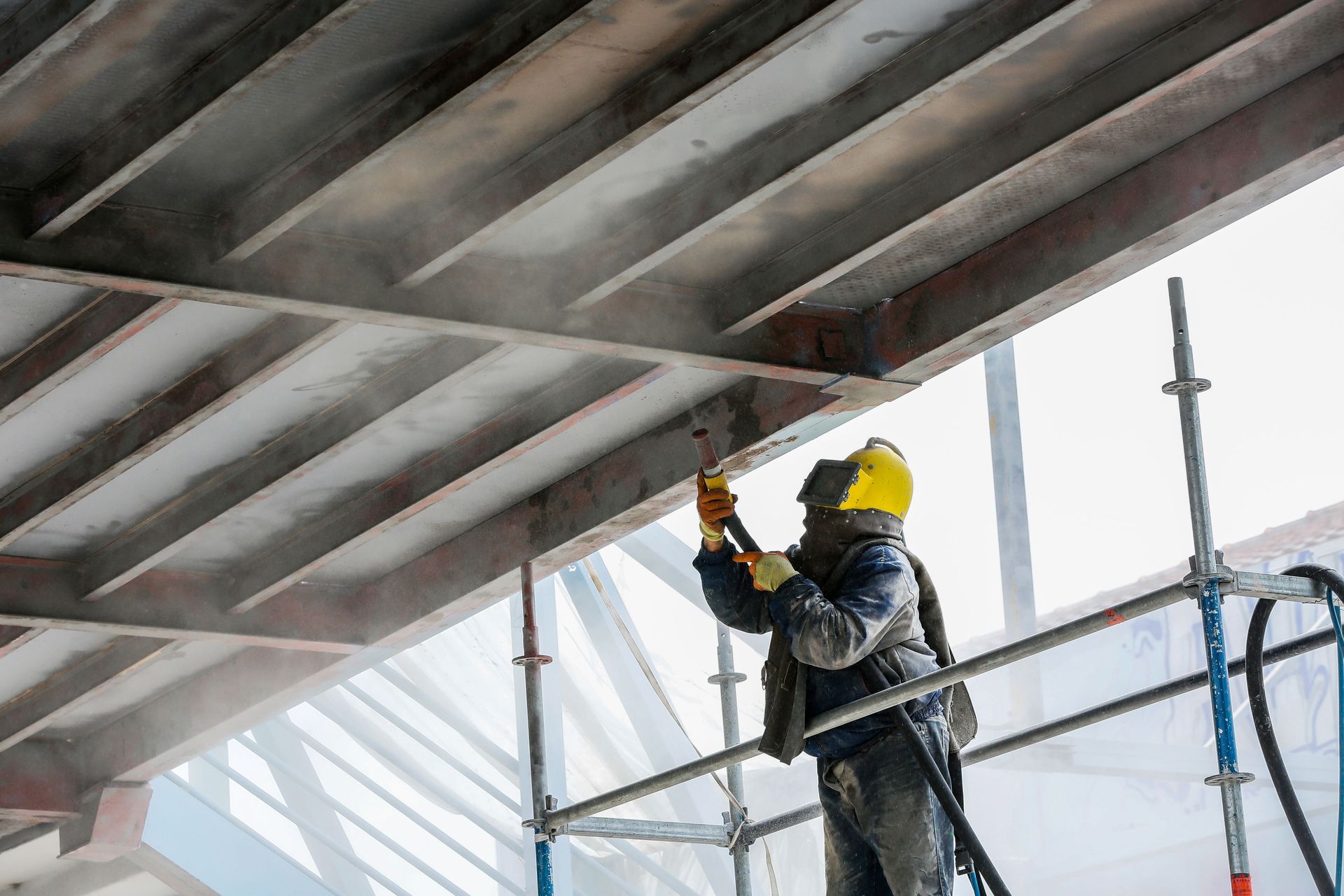
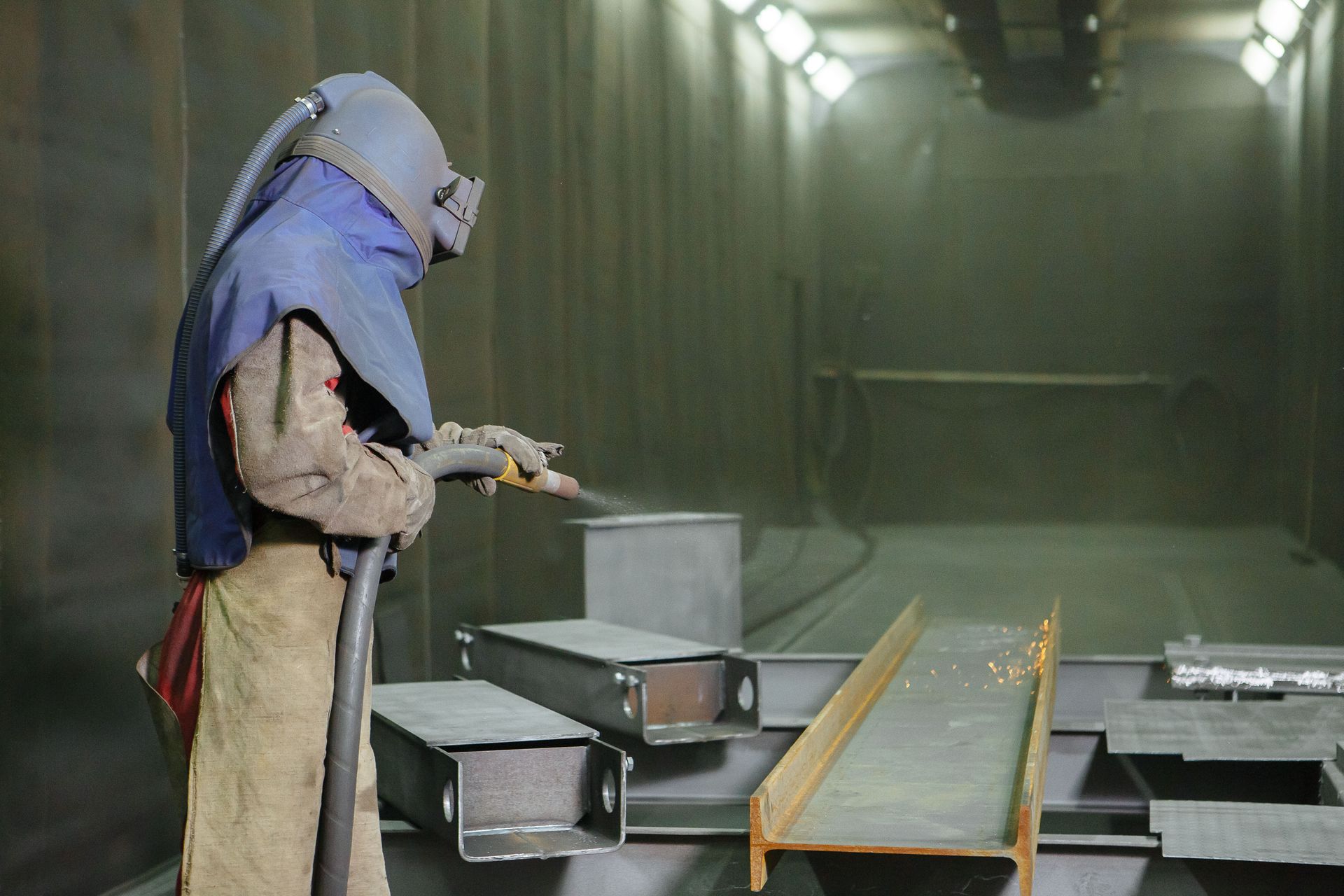
Restoring a vehicle requires careful preparation, especially when years of exposure have left metal surfaces covered in rust, old paint, dirt, or corrosion. Before applying fresh coatings or repairing damaged panels, restoration specialists need a clean surface that allows them to assess the vehicle's condition and prepare it for the next stage. An automotive sandblasting service can help remove unwanted surface materials from suitable vehicle components, making it easier to begin restoration work. The process uses abrasive media propelled against a surface to loosen coatings, rust, and other contaminants. When the right media and pressure are selected, blasting can support efficient surface preparation while helping preserve the underlying material. However, not every automotive component is suitable for the same blasting method, so the vehicle's condition and material must be considered. Careful preparation can make a significant difference in the quality and durability of the finished restoration.
Removing Rust and Surface Corrosion
Rust is a common challenge in vehicle restoration, particularly for classic cars, older trucks, and vehicles that have spent years exposed to moisture. Corrosion can develop on frames, brackets, body panels, and other metal components, making it difficult to determine how much original material remains in good condition. An automotive sandblasting service can remove rust and surface contaminants from compatible metal parts, exposing areas that may need additional attention. This clearer surface helps restoration specialists identify corrosion pits, weakened sections, and potential holes that were previously hidden beneath rust or paint. Removing corrosion does not repair metal that has already deteriorated, so damaged areas may still require cutting, welding, or replacement. Choosing appropriate abrasive media and operating settings is important because aggressive blasting can damage thin sheet metal or alter delicate surfaces. Components should be assessed individually to determine whether blasting is suitable for their material and condition. Properly prepared surfaces give restoration teams a better starting point for repairs and protective treatments.
Preparing Metal for New Paint and Coatings
A durable paint finish depends on more than selecting an attractive color or high-quality coating. The surface must be free from contaminants that could interfere with adhesion or create imperfections beneath the finished layer. An automotive sandblasting service can help remove old paint, corrosion, and other unwanted materials from suitable metal components before refinishing begins. Once the surface is prepared, technicians can evaluate its condition and complete any necessary repairs before applying primer or other protective coatings. Surface preparation also makes it easier to identify areas where previous paint layers may have concealed damage. However, blasting is only one stage of the refinishing process and does not replace cleaning, appropriate priming, or correct coating application. The prepared metal must be handled and protected according to the coating manufacturer's requirements to reduce the risk of flash rust or contamination. Taking these steps helps create a suitable foundation for a consistent and long-lasting finish.
Supporting Classic Car and Vintage Truck Restorations
Classic vehicles often require specialized preparation because their original materials, construction methods, and existing finishes can differ from those found on newer models. Years of storage, weather exposure, and previous repairs may leave frames, suspension parts, brackets, and body panels covered in multiple layers of paint or corrosion. An automotive sandblasting service can help restore visibility to compatible surfaces so that specialists can better evaluate their condition. This is particularly useful when a vehicle is being dismantled and individual components can be treated separately. Frames and sturdy metal parts may tolerate abrasive blasting differently from thin body panels, decorative trim, or delicate components. For that reason, the restoration plan should identify which parts can be blasted and which require gentler cleaning methods. Careful preparation can help preserve original components when they remain structurally sound and suitable for reuse. It also gives restoration teams a clearer view of the work required before rebuilding or refinishing the vehicle.
Improving Inspection and Repair Preparation
A restoration project often begins with uncertainty about the extent of damage beneath old coatings and accumulated grime. A component may appear serviceable from the outside while corrosion or previous repairs remain hidden underneath its surface. Removing suitable coatings and contaminants can help expose these areas for a more thorough visual inspection. An automotive sandblasting service may therefore support the assessment stage by making surface defects easier to identify before repair work proceeds. Technicians can examine the exposed material for cracks, pitting, perforations, and signs of previous welding or patching. The findings help the restoration team decide whether a component can be retained, repaired, or needs replacement. Blasting itself does not establish the structural safety of a part, so additional inspection or testing may be necessary where damage is suspected. Identifying problems before paint and assembly can help prevent avoidable rework later in the project.
Selecting Appropriate Abrasive Media and Methods
Different vehicle materials require different approaches to surface preparation. Thick steel frames and certain heavy metal components may tolerate more aggressive media than thin panels, aluminum parts, or decorative pieces. Choosing the right abrasive involves considering the material, the type of coating being removed, the desired surface finish, and the component's condition. An automotive sandblasting service should account for these factors before determining the appropriate process. Excessive pressure or unsuitable media can warp thin metal, roughen a surface too much, or damage details that need to be preserved. Some components may be better suited to alternative cleaning methods, particularly when they contain sensitive materials or intricate features. Vehicle parts should also be evaluated for bearings, seals, electrical components, and openings where abrasive material could cause damage. A tailored approach helps balance effective cleaning with the need to protect the parts being restored.
Understanding Industry Growth and Restoration Demand
Surface preparation plays an important role in many industries, including automotive repair, equipment maintenance, manufacturing, and restoration. As businesses and vehicle owners continue to invest in maintaining or renewing metal components, demand for effective cleaning and preparation methods remains relevant. According to Global Market Insights, the sandblasting market was projected to grow by 7.4% year over year through 2027. This projection reflects anticipated growth in the broader sandblasting market rather than a guarantee of demand within automotive restoration alone. For restoration projects, abrasive blasting can offer a practical way to prepare compatible components before inspection, repair, and refinishing. Its usefulness depends on the condition of the vehicle, the materials involved, and the expertise applied during the process. Vehicle owners should discuss the project's goals and the condition of individual parts before deciding which preparation method is appropriate. Understanding the role of surface preparation can help restoration teams plan work more efficiently and make better-informed choices.
Protecting Prepared Components Before Reassembly
After blasting is complete, the prepared surface needs appropriate care before the next restoration stage begins. Exposed steel can develop surface rust when moisture and oxygen come into contact with it, especially in humid environments. Components should be inspected, cleaned of residual abrasive, and protected in accordance with the intended primer or coating system. An automotive sandblasting service can be one part of a broader preparation process, but the steps that follow are equally important to the final result. Restoration teams should avoid leaving prepared metal exposed for extended periods when conditions could promote corrosion. They should also ensure that abrasive material has not collected in seams, cavities, threaded openings, or other areas where it could interfere with reassembly. Proper handling helps preserve the benefits of the cleaning process and provides a more reliable foundation for refinishing. Coordinating blasting with repair and coating schedules can reduce delays and help keep the project moving forward.
Successful vehicle restoration begins with understanding the condition of the parts and choosing preparation methods suited to their materials. Removing rust and old coatings can reveal hidden damage, support repair decisions, and provide an appropriate surface for refinishing when abrasive blasting is suitable. The process must be carefully matched to each component to avoid unnecessary damage, particularly on thin or delicate automotive parts. A&J Ecoblasting can be contacted to discuss surface preparation needs for an automotive restoration project and determine whether blasting is appropriate for the components involved. Before work begins, share details about the vehicle, the parts requiring treatment, and any concerns about corrosion or delicate surfaces. Thoughtful preparation can help restoration teams move from inspection to repair and refinishing with a clearer understanding of the work ahead. Contact us for high-quality automotive sandblasting service.