Dustless Blasting Service Considerations for Different Abrasive Media
November 4, 2026
Surface preparation serves as the foundational phase for almost any industrial restoration, structural maintenance, or coating project. Over the past decade, wet abrasive blasting has provided a cleaner, safer, and adaptable alternative to open-air dry blasting. Selecting the proper abrasive material is the single most vital decision when planning an efficient job. Whether an operator is stripping mill scale from steel, lifting graffiti from masonry, or removing bottom paint from a boat hull, media physical properties dictate cutting speed, finish quality, and cost. Utilizing a professional dustless blasting service guarantees that delicate materials remain completely unharmed while tough industrial contaminants are stripped away efficiently.
Understanding the Operational Fundamentals of Wet Abrasive Systems
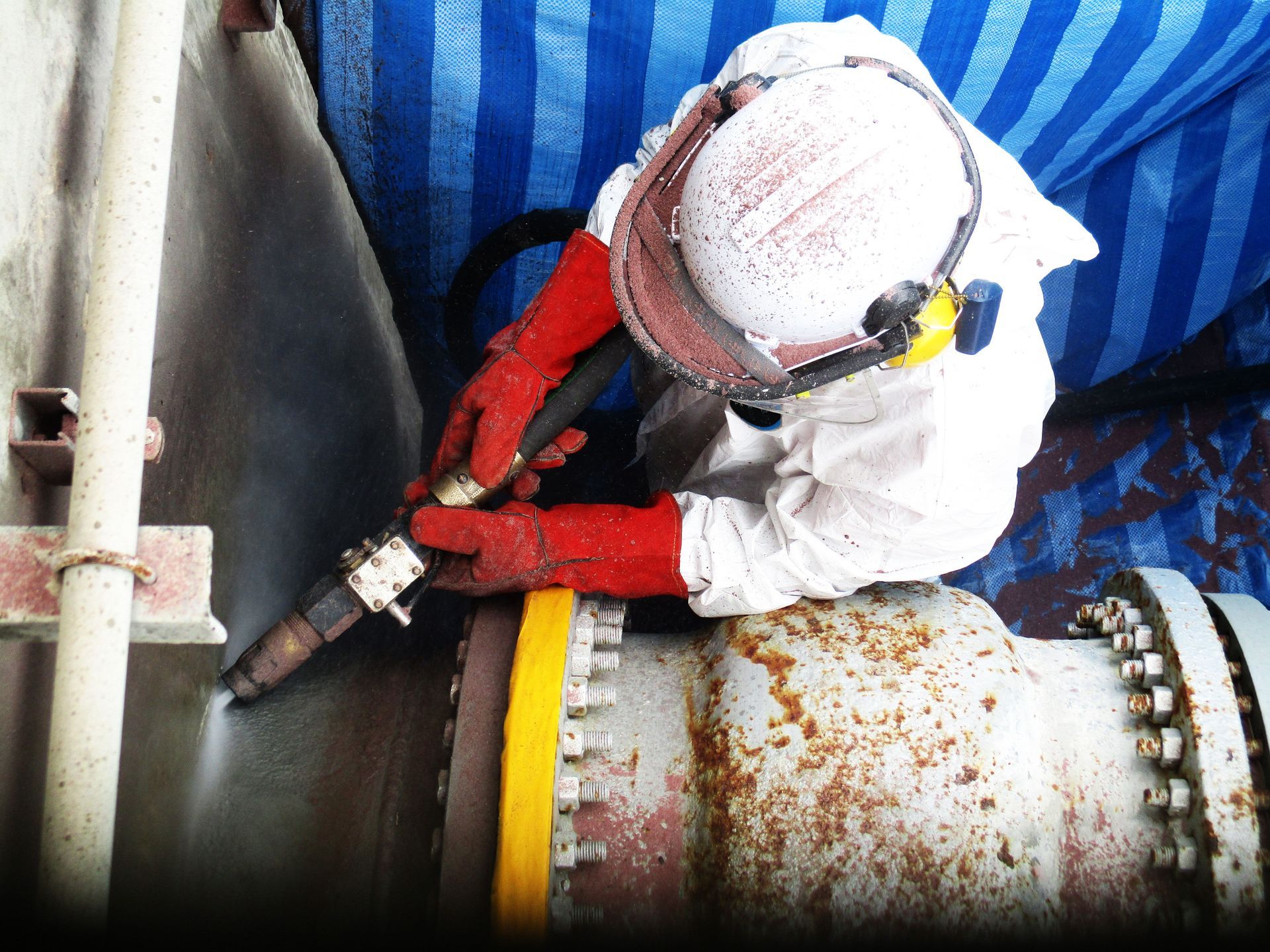
Wet abrasive blasting introduces water into the pressurized stream of air and media before contact, creating a hydraulic cushion that fundamentally alters impact physics. In conventional dry sandblasting, abrasive particles shatter violently against the substrate, throwing massive clouds of airborne particulate and fracturing the media into respirable dust. In contrast, a well-calibrated dustless blasting service encapsulates the media and blasted coatings within a water jacket. The liquid weight pulls fractured debris to the ground rather than allowing it to drift across the site. Furthermore, water lubricates the blast hose, reduces friction heat, and dissipates static electricity, preventing surface warping on thin automotive sheet metal or delicate composite structures.
Examining the Expanding Global Market for Blasting Media
The global demand for high-performance surface preparation abrasives is expanding rapidly across municipal infrastructure, commercial marine transport, automotive refinishing, and industrial manufacturing sectors. Modern facilities must adhere to ever-stricter health and environmental standards, accelerating the transition toward advanced engineered abrasives, non-toxic minerals, and wet blasting platforms. According to Precedence Research, the global sandblasting media market size is valued at USD 10.44 billion in 2025 and is predicted to increase from USD 11.22 billion in 2026 to approximately USD 19.91 billion by 2034, at a CAGR of 7.43% from 2025 to 2034. This commercial expansion reflects an industry-wide prioritization of sustainable abrasives that produce minimal toxic waste while boosting cutting productivity. For contractors delivering a reliable dustless blasting service, understanding this dynamic market helps in sourcing cost-effective abrasives that satisfy rigorous client specifications.
Evaluating Primary Media Categories for Surface Preparation
Contractors choose from several prominent abrasive media, each possessing unique physical traits such as particle hardness, geometry, bulk density, and friability:
- Sodium Bicarbonate (Baking Soda): Ranking at approximately 2.5 on the Mohs hardness scale, soda is gentle and friable. The particles micro-fracture on impact, releasing energy that cleans surface grime, oil, and paint without etching metal or scoring glass. Soda is water-soluble and non-reusable, making it ideal for food processing facilities, historic masonry, and vintage vehicle bodies.
- Recycled Crushed Glass: Manufactured from recycled glass containers, crushed glass features sharp, sub-angular edges and a Mohs hardness of around 5.5 to 6.0. Containing zero free silica, it delivers a uniform profile and strips rust and coatings from concrete, brick, and steel.
- Spherical Glass Beads: Formed from soda-lime glass, these round beads have peened surfaces rather than being cut. They remove light scale, deburr edges, and create a consistent satiny finish without altering dimensional tolerances on precision parts.
- Almandine Garnet: A heavy natural mineral rating between 7.5 and 8.0 on the Mohs scale, garnet represents the industry benchmark for heavy industrial preparation. Its high density and sharp crystalline structure allow for deep cutting speeds, fast coating removal, and reliable reusability across multiple blasting cycles.
- Organic and Specialized Media: Walnut shells, corn cobs, and plastic media offer specialized solutions when working on sensitive electronics, wood log homes, or aerospace composites, where substrate preservation is paramount.
Matching Specialized Abrasives to Substrate Demands
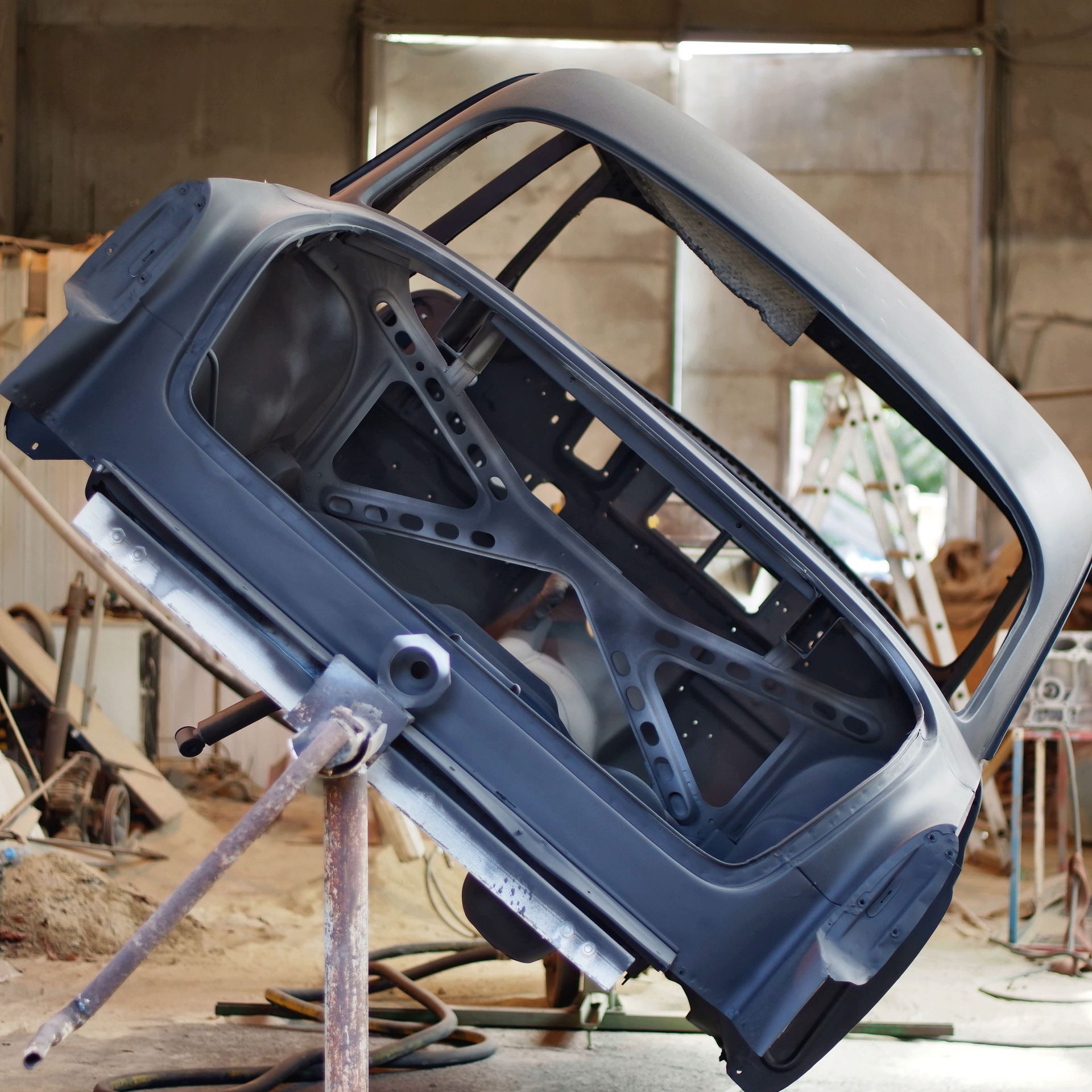
Choosing the proper media requires evaluating substrate integrity and coating durability. For classic automobile restorations, selecting an abrasive with too much mass or hardness risks warping thin body panels; here, an adaptable dustless blasting service relies on fine crushed glass or sodium bicarbonate to strip paint down to bare metal without distorting panels. Marine applications demand a completely different approach. Vessel hulls accumulating heavy anti-fouling coatings and marine growth require dense garnet to strip tough polyurethane or epoxy layers while creating an anchor profile that ensures strong adhesion for marine-grade primers. In historic brick cleaning, crushed glass or fine mineral slag strips away grime without destroying the protective kiln-fired outer crust of historic masonry.
Calculating Total Operational Costs and Reusability
Evaluating the financial aspect of surface treatment goes beyond the initial purchase price per ton of raw abrasive. While sodium bicarbonate boasts a low initial cost per bag, its single-use nature means material consumption remains high throughout large-scale restoration jobs. Conversely, spherical glass beads and almandine garnet require a higher initial capital outlay but deliver superior long-term economy because they can be reclaimed, filtered, and reused several times. When contractors compute the true cost of an industrial dustless blasting service, they evaluate the complete material lifecycle:
- Media Consumption Rates: Heavier, harder minerals cut faster and require fewer pounds of media per square foot cleaned.
- Labor and Speed: Faster cutting media reduce overall labor hours, decreasing job site overhead expenses.
- Disposal and Cleanup: Reusable or non-toxic abrasives lower landfill tipping fees and hazardous waste mitigation expenses.
Assessing Cutting Velocity and Desired Surface Profiles
The ultimate goal of surface preparation is to achieve a specific surface cleanliness standard and anchor profile depth to facilitate coating adhesion. Angular abrasives like crushed glass and garnet cut rapidly into old paint layers, gouging out deep micro-valleys that allow industrial epoxies to bond mechanically. Spherical media, by comparison, bounce off the substrate, compressing the surface and imparting compressive stress that strengthens metal against fatigue cracking. A technician performing a dustless blasting service can fine-tune this process with pinpoint precision by modulating nozzle pressure, water flow, and blast stand-off distance to attain the exact mil-profile specified by coating manufacturers.
Protecting Specialized Equipment from Excessive Wear
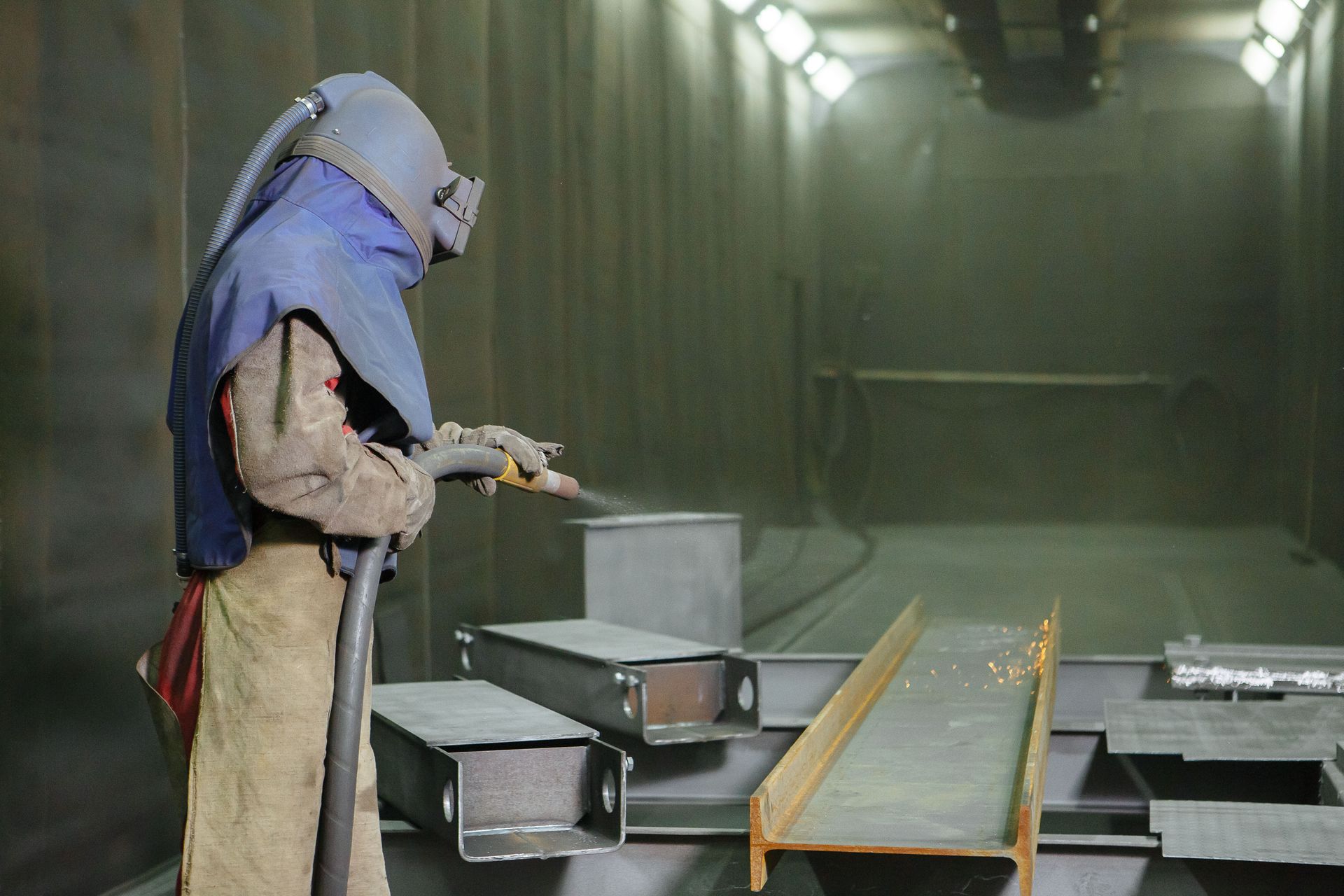
The mechanical impact that strips industrial coatings can also take a severe toll on the blasting equipment itself. Highly abrasive materials with sharp edges accelerate the degradation of blast hoses, pinch valves, metering valves, and blast nozzles. Using hard abrasives in uncalibrated systems causes nozzle bore expansion, which drops blast pressure and increases fuel consumption. Operators must select durable tungsten carbide or silicon nitride nozzles tailored to handle the abrasiveness of garnet or crushed glass. Regular inspection of seals and water injection nozzles ensures that the equipment delivers uniform media flow without unexpected mechanical downtime.
Minimizing Environmental Hazards and Airborne Risks
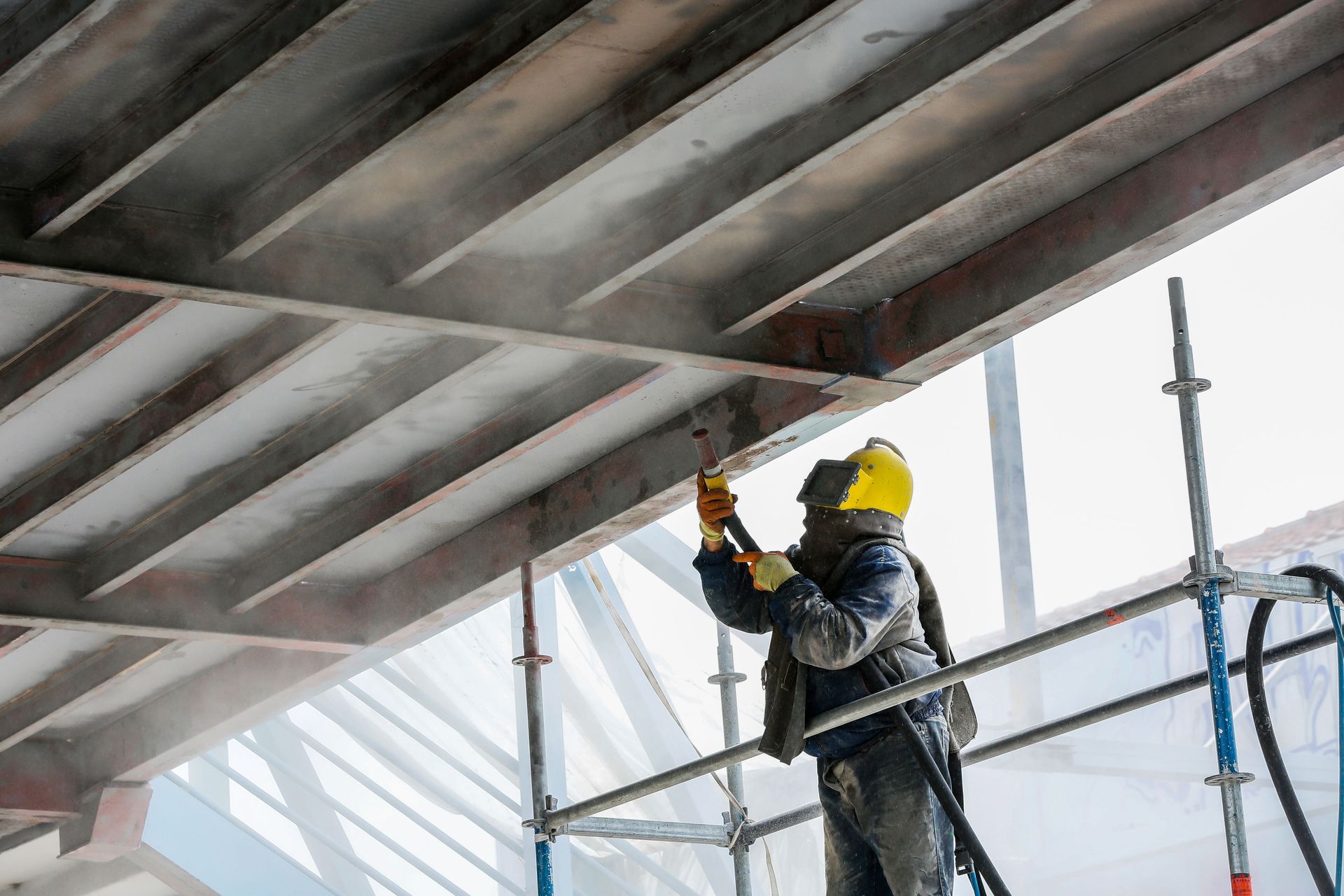
Traditional dry sandblasting has declined across modern industries largely due to the severe health risks associated with crystalline silica dust, specifically silicosis and chronic respiratory disease. Water-injected systems trap over 90% of airborne particulates right at the nozzle tip, ensuring ambient air remains clean and safe for surrounding personnel. Furthermore, using chemically inert media like recycled bottle glass or natural garnet prevents toxic runoff from seeping into urban drainage systems. The environmental and workplace safety benefits of an advanced dustless blasting service make it the preferred option for municipal bridge rehabilitation, residential neighborhoods, and strict industrial zones.
Choosing a Qualified Team for Exceptional Project Results
Achieving flawless surface preparation requires balancing abrasive hardness, nozzle pressure, substrate delicacy, and environmental protection. Selecting the incorrect media can turn a routine restoration project into an expensive structural repair, making professional experience indispensable. When you need a reliable dustless blasting service to restore delicate surfaces or tackle heavy-duty industrial coatings, contact A&J Ecoblasting to schedule your next project consultation today.