The Role of Professional Sandblasting in Urban Renewal
March 27, 2026
The process of urban renewal involves the reimagining and restructuring of city landscapes to improve aesthetics, functionality, and economic viability. Professional sandblasting plays a crucial role in this transformation, offering an effective solution for cleaning, restoring, and preserving urban structures. This article explores the significance of this process in urban renewal, examining its benefits, applications, and impact on city life.
Understanding Professional Abrasive Methods
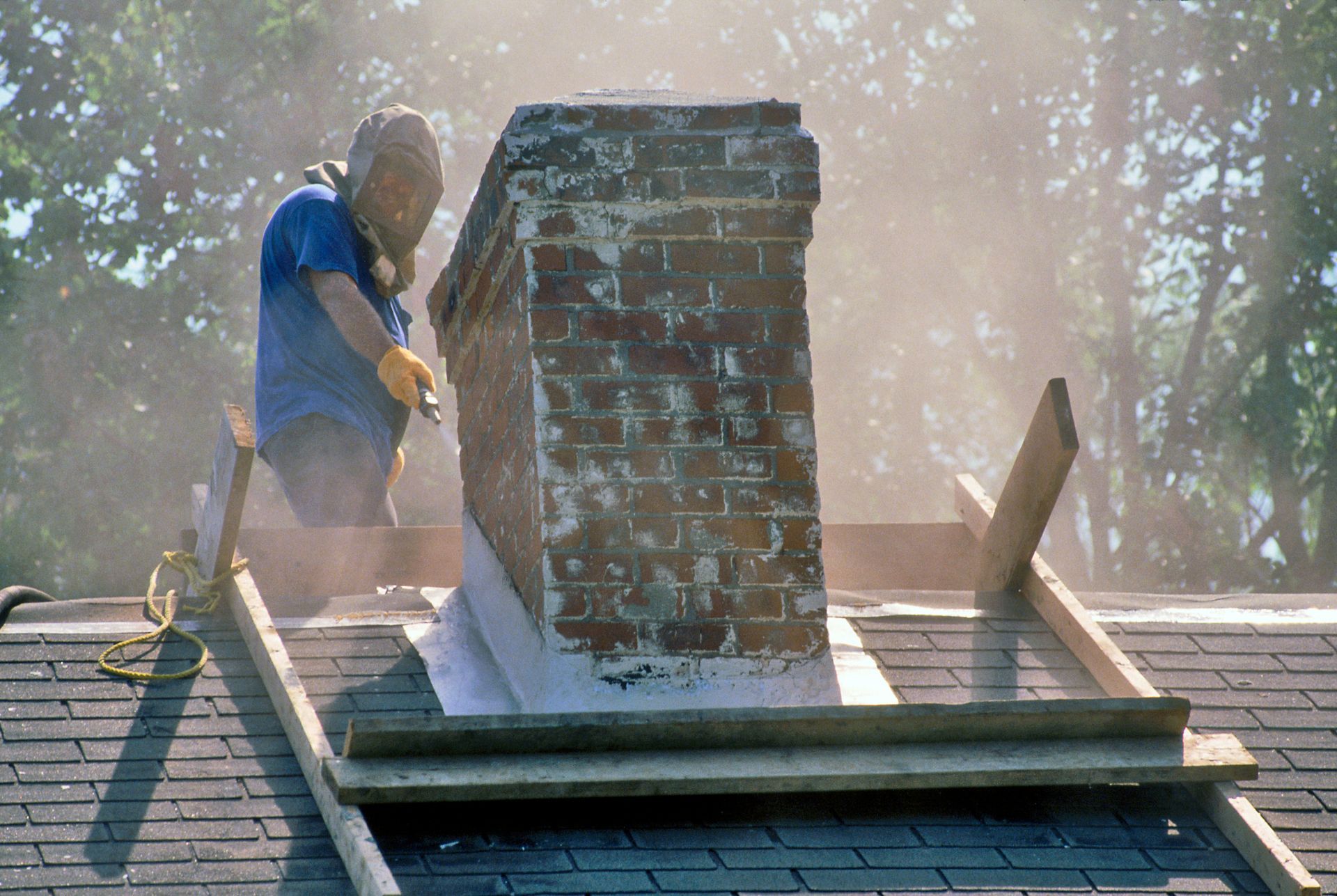
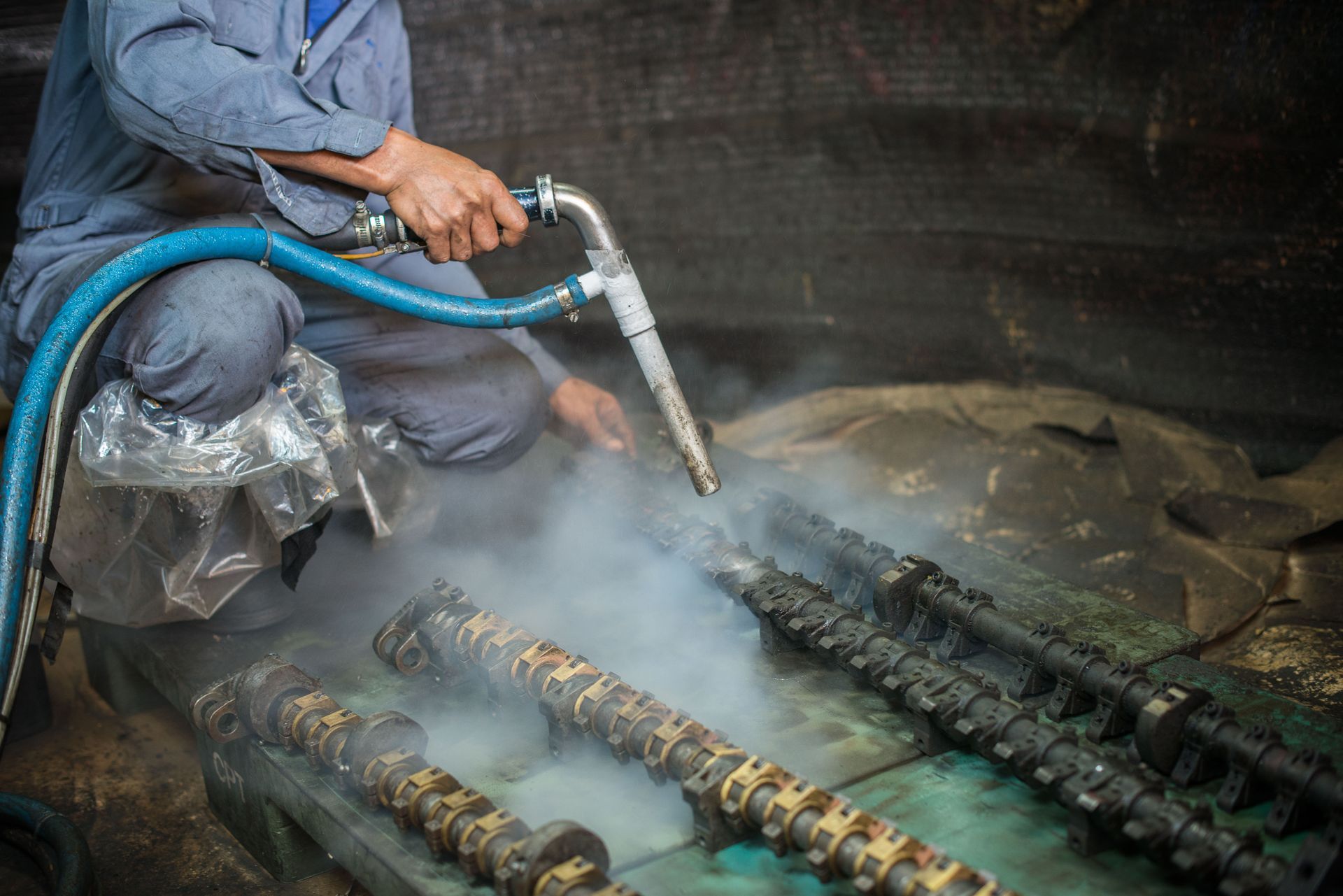
Professional sandblasting, also known as abrasive blasting, is a process that uses a high-pressure jet of abrasive material to clean and smooth surfaces. Techniques can include dry blasting, wet blasting, and vacuum blasting, offering a variety of options depending on the project's needs.
Each method has its own set of advantages, allowing for flexibility in addressing the diverse surfaces found in urban environments. The primary goal of the process in urban renewal is to restore structural aesthetics while maintaining the integrity of the original materials. This makes it a preferred method over chemical treatments or traditional mechanical techniques that might compromise surfaces.
Identifying Equipment Components
The efficiency of the process largely depends on the equipment used, which typically includes the blasting machine, the abrasive media, and the nozzle. Various machines are designed to handle different abrasives, such as glass beads or walnut shells, each selected based on the surface type and the desired finish.
The advancements in technology have led to more sophisticated machines capable of handling diverse projects with greater precision and control. Safety measures integrated into these machines are crucial, protecting operators during the process. The choice of equipment directly influences the quality and safety of the work performed.
Comparing Methods and Effectiveness
When compared to other restoration and cleaning techniques, the abrasive process stands out for its versatility and effectiveness. Unlike chemical cleaning, it does not introduce harmful substances into the environment, making it environmentally preferable. Mechanical scraping, another common alternative, is labor-intensive and often less effective at reaching intricate details or large areas quickly. This method can achieve a uniform finish across surfaces, which is crucial for aesthetic consistency in urban renewal projects. Its ability to handle varying degrees of surface degradation makes it a superior choice in many urban environments.
Implementing Safety Measures and Regulations
Safety is paramount in these operations due to the high-pressure nature of the work and the materials involved. Operators are required to wear personal protective equipment, including respirators, gloves, and eye protection, to safeguard against abrasive particles. Regulations governing these activities are stringent, with guidelines set by agencies such as OSHA to minimize occupational hazards. Compliance with these rules protects workers and reduces the risk of accidents on site. Environmental regulations also dictate waste management practices to prevent contaminated materials from affecting local ecosystems.
Analyzing Advancements in Technology
Technological advancements have made the process more efficient, safe, and environmentally friendly. Innovations such as robotic systems and precision nozzles have allowed for greater control and effectiveness. The development of eco-friendly abrasives has also reduced the environmental impact. As urban renewal projects continue to rise, the demand for advanced technology increases. According to Precedence Research, the international market for sandblasting media is estimated at USD 10.44 billion in 2025 and is expected to see substantial growth, highlighting the importance and evolution of this industry.
Implementing Abrasive Blasting in Urban Renewal
Facade restoration is a critical aspect of urban renewal, where the abrasive process is frequently employed to remove grime, pollutants, and old paint from building exteriors. The technique not only cleans but also prepares surfaces for repainting or other treatments, supporting durability and aesthetic appeal. Its application is particularly valuable for restoring heritage buildings, preserving their historical essence while making them visually appealing. It provides a uniform texture that enhances the architectural details of a building's facade.
Removing and Preventing Graffiti
In urban areas, graffiti can be a persistent issue, affecting the aesthetics and perception of safety. Sandblasting offers an efficient solution for removing graffiti, restoring surfaces to their original state without leaving residues or damage behind. This technique is especially effective on brick, concrete, and other porous surfaces where graffiti tends to adhere strongly. Beyond removal, the process can also aid in prevention by applying coatings that make surfaces less inviting to graffiti artists. These proactive measures contribute to cleaner, more welcoming urban environments and help reduce maintenance costs over time.
Maintaining Bridges and Infrastructure
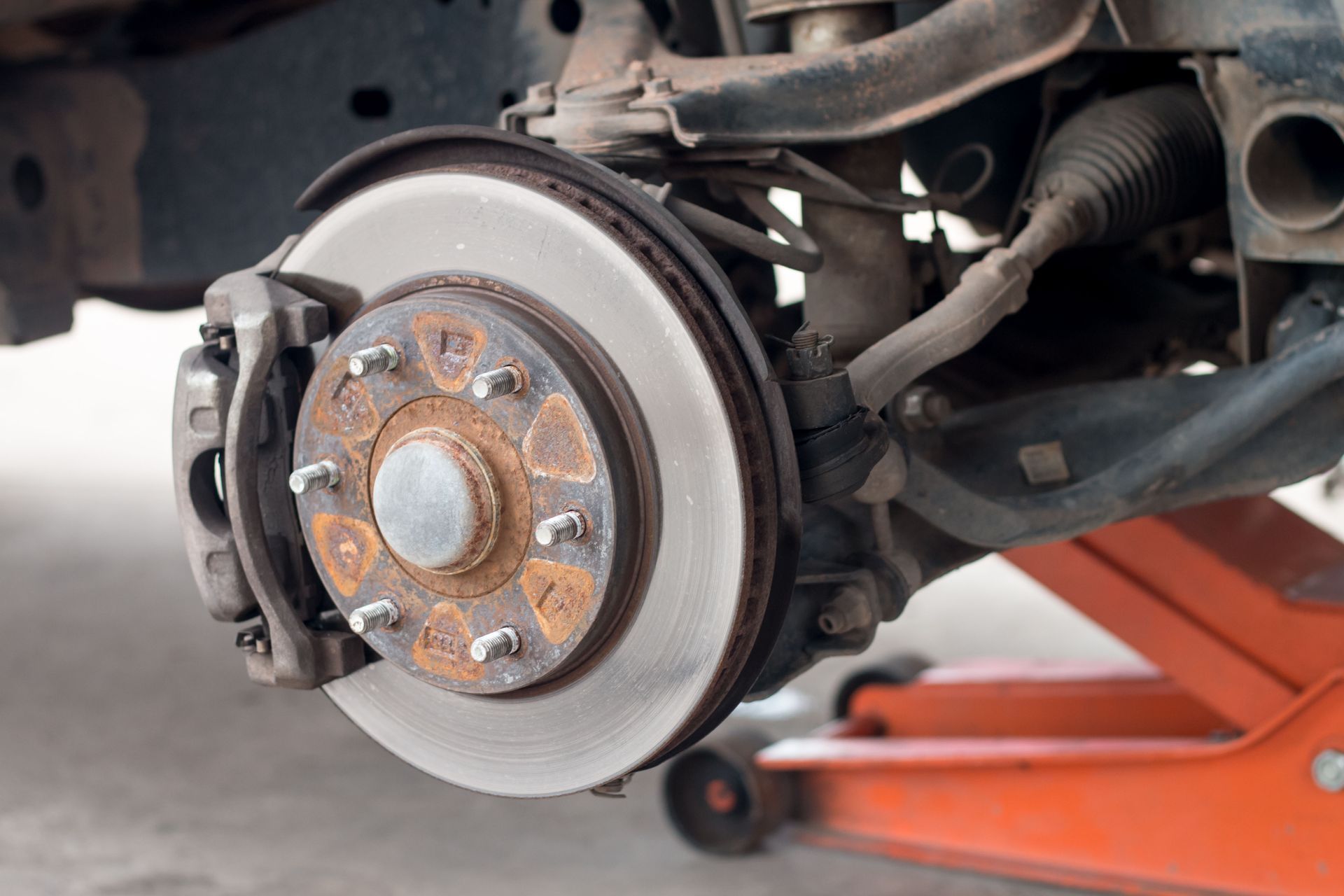
Bridges and critical infrastructure in cities require regular maintenance to support safety and longevity, and abrasive cleaning plays an essential role in this process. The removal of rust, old coatings, and debris is crucial for these structures, preventing decay and potential structural failures.
The process can reach tight crevices and large spans, effectively preparing surfaces for new protective coatings. By maintaining such infrastructure, cities can avert costly repairs and extend the life of crucial transport routes. Regular maintenance through these methods enables city planners to prioritize public safety and sustainability in urban development.
Promoting Historic Preservation
Historic preservation is a key component of urban renewal, requiring careful methods to maintain and restore iconic structures. The process offers a gentle yet effective way to clean and restore historic buildings without compromising their original materials. By selecting appropriate abrasives, preservationists can make certain that the unique architectural features are unharmed. This method also helps uncover hidden details masked by years of neglect and pollution. By incorporating these techniques into historic preservation, cities can celebrate their heritage while adapting to modern needs.
Upkeeping Public Spaces and Sculptures
Public spaces and sculptures contribute significantly to a city's character and culture, and maintaining these elements is vital for urban aesthetics. Abrasive cleaning is frequently employed to clean and preserve these installations, removing dirt, grime, and weathering effects. The process provides that artworks and public installations remain vibrant and structurally sound for the enjoyment of residents and visitors. Regular maintenance of public spaces enhances community pride and supports local tourism.
Analyzing the Economic Impact of Revitalization
Cost efficiency is a major benefit of using the process in urban renewal, as it allows for rapid cleaning and restoration of surfaces. Compared to other methods, it requires less manual labor, reducing project timelines and associated costs. This efficiency results in significant budget savings for municipalities and private developers undertaking urban renewal projects. The longer-lasting effects help reduce the need for frequent upkeep, further decreasing long-term expenses.
Creating Jobs and Developing Skills
The implementation of these projects contributes to job creation and skill development within urban areas. The demand for skilled operators and technicians to manage and execute tasks continues to rise as urban renewal becomes more prevalent. This creates opportunities for workforce expansion and training initiatives, provided that communities benefit economically from local projects. Continual advancements in technology require ongoing education and skill updates, which support career growth.
Enhancing Real Estate Property Values
Professional cleaning can significantly enhance property values by improving the visual appeal and structural integrity of buildings and neighborhoods. Clean, well-maintained properties attract potential buyers and investors, contributing to higher real estate demand and market value. By facilitating the renewal of urban areas, the process promotes revitalization, making neighborhoods more desirable. This increase in property values benefits homeowners, developers, and municipalities through higher tax revenues and economic growth.
Professional sandblasting serves as an indispensable tool in the realm of urban renewal, facilitating the enhancement and preservation of urban environments. While challenges exist, the benefits manifest in various aspects of city life. The continuous evolution of these techniques and the collective efforts of communities, policymakers, and professionals will shape the future of urban landscapes for generations to come.
If you are looking to revitalize your property with environmentally conscious restoration, contact A&J Ecoblasting today. Our team provides high-quality results to support your next project involving professional sandblasting.