How Sandblasting Services Remove Corrosion in Industrial Settings
March 10, 2026
Corrosion is one of the most persistent and costly challenges faced in industrial environments. When rust and surface degradation are not addressed promptly, they can compromise structural integrity, disrupt operations, and lead to expensive repairs or dangerous failures. Among the most reliable methods for combating corrosion is sandblasting, a powerful surface preparation technique that removes rust, paint, and contaminants with precision. This article explores the mechanics behind sandblasting, explains why it is especially effective for corrosion removal, and highlights how it is used across a range of industrial applications. Because corrosion varies in severity and material impact, selecting the appropriate removal method is essential. Sandblasting offers exceptional versatility, making it suitable for everything from heavy industrial steel to more delicate surfaces. Its widespread use, supported by safety standards and regulatory guidelines, demonstrates its value as a dependable and efficient solution for industrial corrosion control.
Understand the Sandblasting Process and Equipment
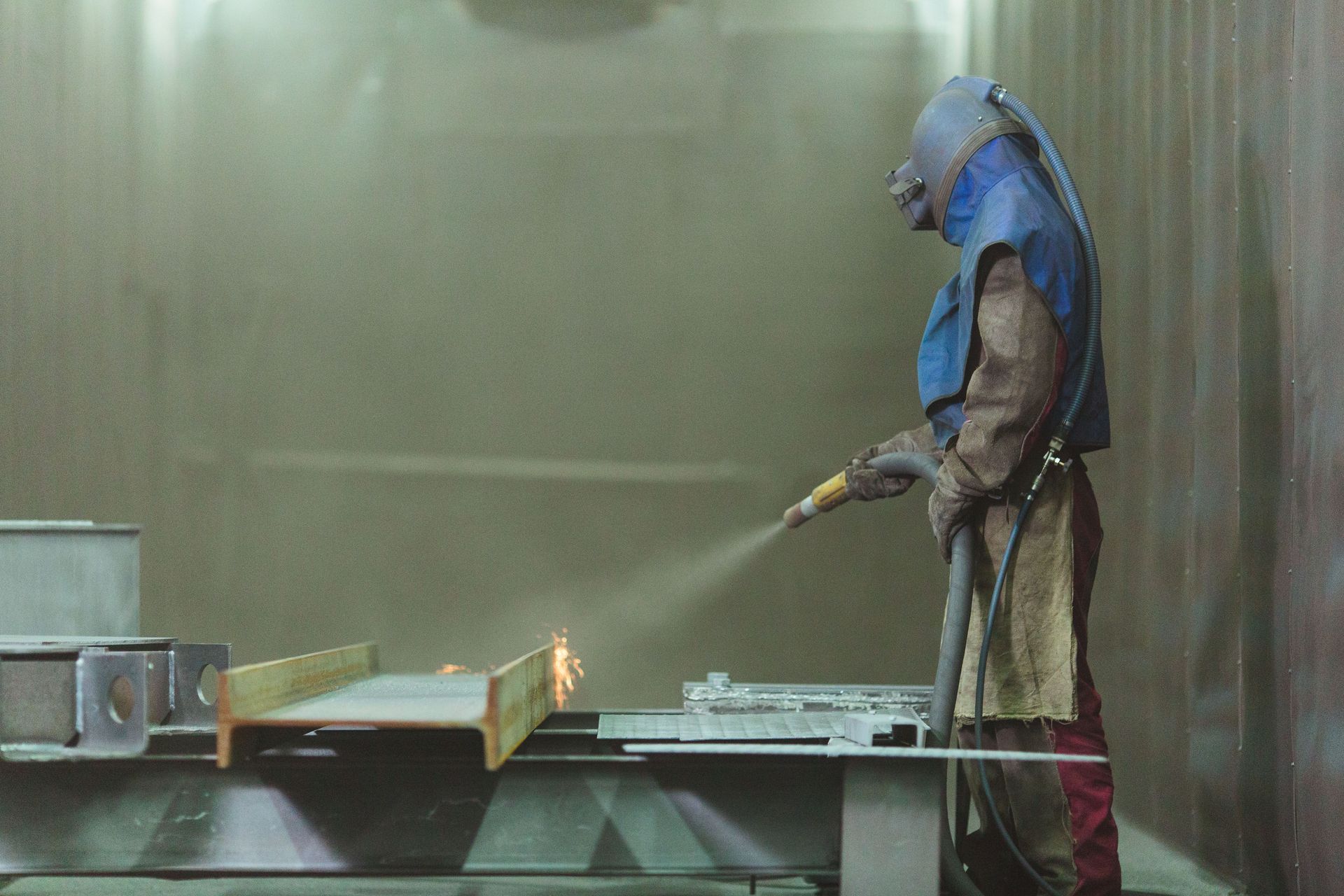
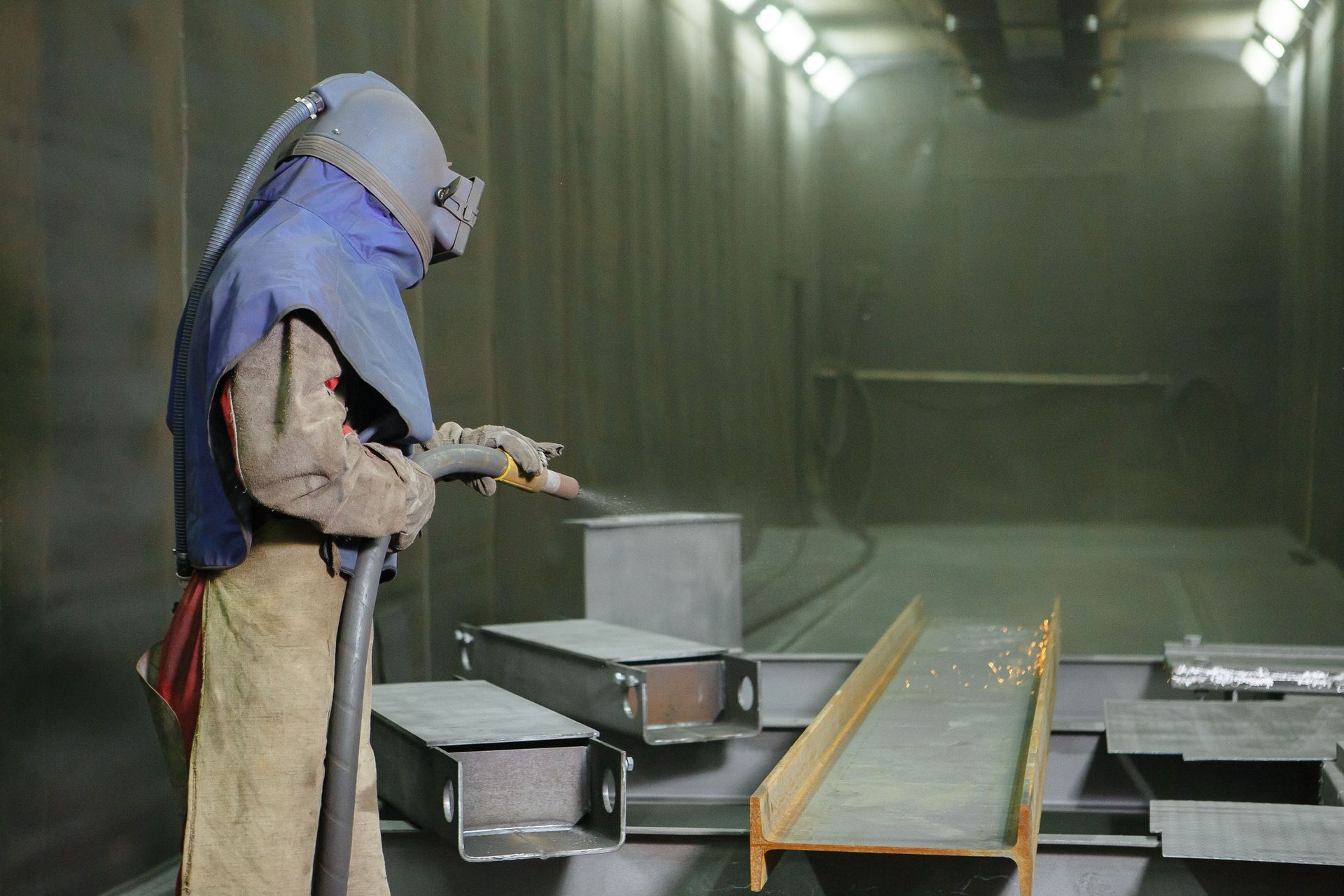
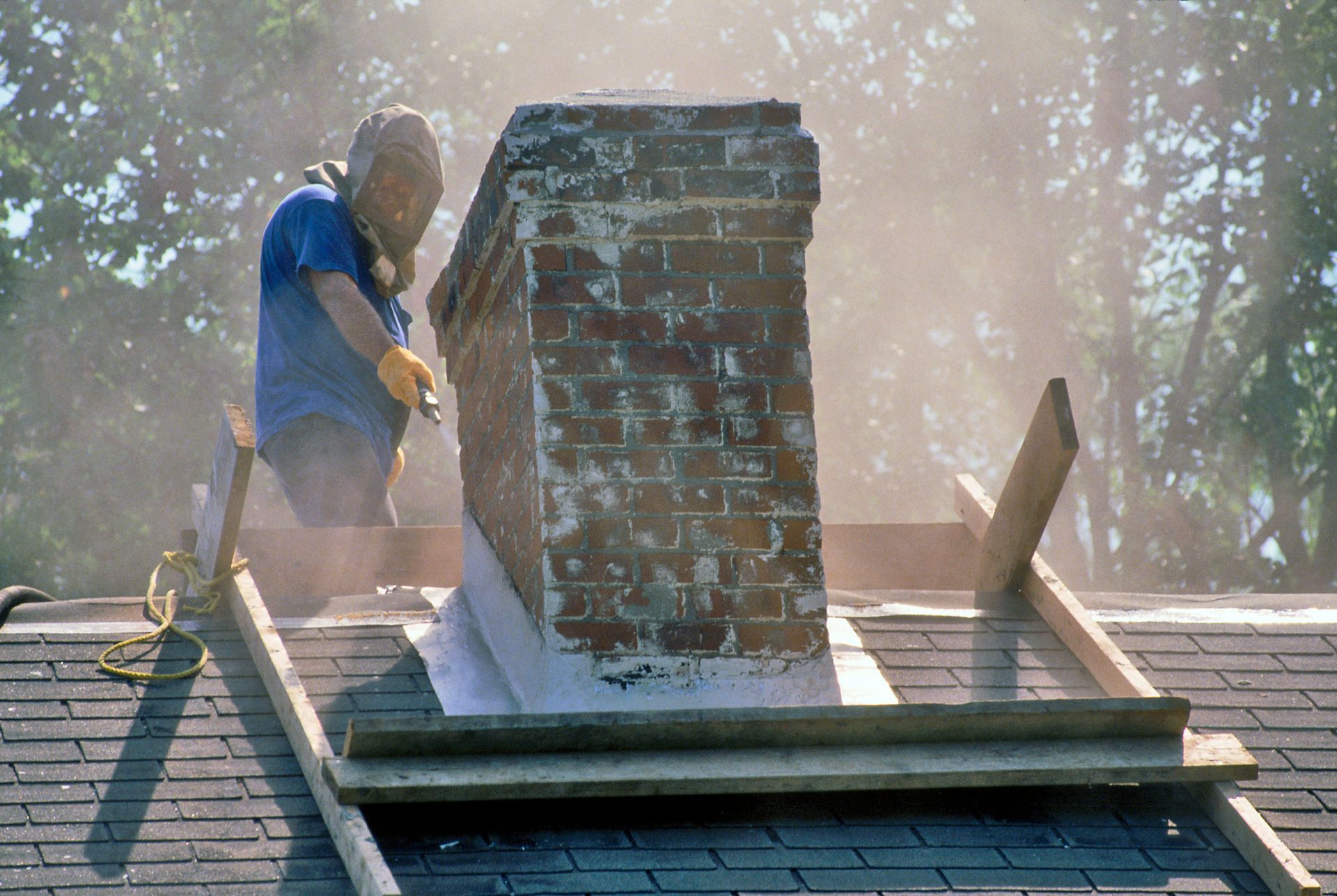
Sandblasting, also known as abrasive blasting, involves propelling fine particles at high speed to clean or etch a surface. This technique utilizes air pressure to force sand or other abrasive materials through a nozzle onto the target surface. The impact of the particles abrades the surface, effectively removing contaminants such as rust, old paint, and grime. The efficiency of this process makes sandblasting a favored choice for preparing surfaces for refinishing or painting. It can be applied to a wide variety of materials, including steel, concrete, and aluminum. This adaptability makes it an essential tool across numerous industrial sectors. Modern sandblasting systems are designed with adjustable settings to accommodate different project requirements.
The mechanics of sandblasting require precise control over air pressure and abrasive material. Different abrasives can be chosen based on the surface being treated and the desired outcome. For instance, softer materials such as baking soda may be used on delicate surfaces, while tougher substances like garnet are ideal for metal decontamination. Achieving the right balance ensures that the surface is adequately cleaned without causing damage. Skilled operators carefully monitor these variables to maintain consistent results. Proper calibration also helps reduce material waste and improve overall efficiency. This attention to detail ensures both quality workmanship and cost-effective performance.
The adaptability of sandblasting extends to its environmental controls, which play a crucial role in ensuring safe operations. According to Fixr, a permit is not needed for sandblasting on private property, but 100% of commercial sandblasting is regulated by OSHA to ensure workplace safety. These regulations ensure that both the operators and the environment are protected from the hazards posed by airborne particulates and noise pollution. Thus, sandblasting is not only effective but also a regulated method that balances efficiency with safety. Containment systems and ventilation equipment are often used to minimize dust dispersion. These safeguards further enhance compliance and promote responsible industrial practices. Proper disposal of used abrasive materials also plays a key role in maintaining environmental stewardship.
Recognize Why Sandblasting Effectively Removes Corrosion
The effectiveness of sandblasting in removing corrosion lies in its ability to reach and clean surfaces thoroughly. Traditional cleaning methods may falter where rust has penetrated deeply, but sandblasting can access nooks and crannies where oxidation typically progresses. The abrasive action does more than just peel away the corrosion; it also prepares the underlying surface for protective coatings. This dual role of cleansing and preparing makes sandblasting indispensable for industrial maintenance. Creating a slightly roughened surface profile, it improves coating adhesion. This added texture significantly enhances the durability of protective finishes. Thorough corrosion removal also reduces the risk of future deterioration beneath protective layers.
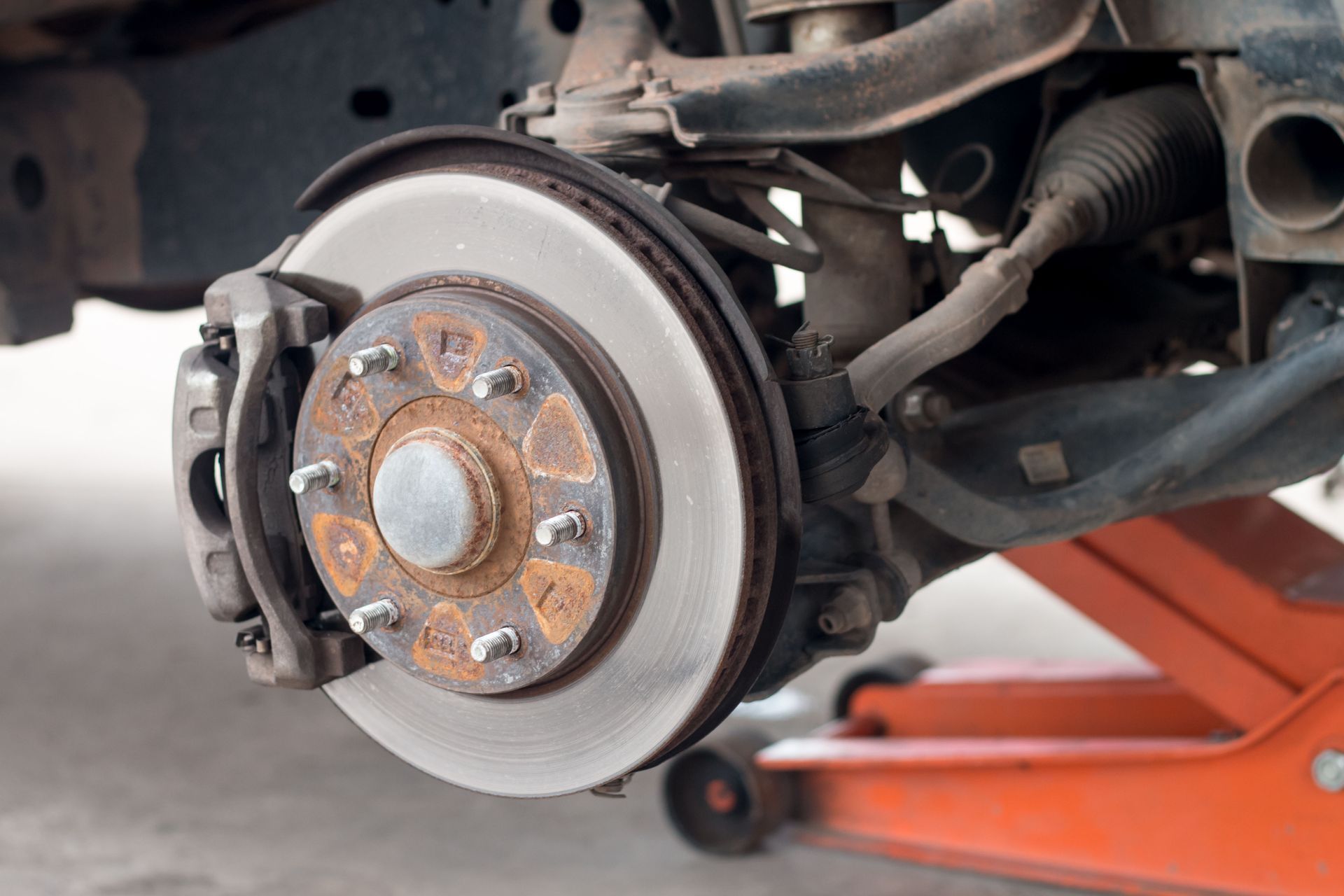
Corrosion presents a unique set of challenges as it can exist in various forms, such as uniform corrosion, pitting, and crevice corrosion. The versatile nature of sandblasting allows for customization based on the specific type of corrosion encountered. The use of specially selected abrasives and varying pressures grants operators the ability to target complex corrosion types effectively. The degree of surface finishing achieved ensures optimal protective coating adherence, vital for prolonging the life of treated materials. This reduces the likelihood of premature coating failure. As a result, maintenance cycles can be extended and long-term costs lowered. Tailored blasting techniques ensure that even severely compromised surfaces can be restored effectively.
Moreover, the speed and efficiency of sandblasting reduce downtime, which is crucial for industries striving to maintain continuous operations. The technique provides a rapid solution in comparison to alternative methods that may involve extended chemical treatments or mechanical grinding. By incorporating sandblasting into routine maintenance schedules, industries can manage corrosion proactively, minimizing the risk of unexpected equipment failures. This strategic approach preserves productivity and enhances safety in industrial settings. Faster turnaround times mean equipment can return to service sooner. This operational efficiency translates directly into improved profitability. Reduced downtime also strengthens overall production reliability.
Explore Industrial Applications of Sandblasting Services
In industrial settings, sandblasting is deployed for a broad spectrum of applications, from cleaning machine parts to restoring steel structures. In manufacturing, food processing, and petrochemical industries, sandblasting is applied to clean tanks, pipelines, and machinery. Given the prevalence of metal used in these industries, sandblasting helps in maintaining operational integrity by combating corrosion aggressively. Each application is tailored to the industry’s specific requirements, considering factors such as the type of metal, desired finish, and environmental regulations. Customization ensures surfaces meet strict performance standards. This targeted approach supports both safety compliance and operational excellence. Proper surface preparation also ensures that newly applied coatings perform at their highest potential.
The maritime industry offers another example where sandblasting is essential. Ships and offshore platforms are exposed to harsh marine environments, where saltwater accelerates the corrosion process. Sandblasting efficiently cleans hulls and decks, enabling the application of marine-grade coatings that protect against further degradation. In such environments, weighing the cost-benefit aspect of sandblasting becomes crucial, as timely maintenance can save millions in repairs. Regular surface treatment prevents structural weakening caused by salt exposure. This preventative strategy helps extend the lifespan of valuable marine assets. Routine blasting schedules are often incorporated into long-term vessel maintenance plans.
A critical component of industrial sandblasting is adhering to regulatory requirements, particularly in commercial projects. These regulations cover aspects such as particulate containment, protective gear for operators, and noise control. Adherence to these standards ensures that sandblasting operations not only succeed in corrosion removal but do so in a manner that protects worker health and environmental quality. Training programs are often implemented to ensure compliance with these regulations. Continuous monitoring and inspections further reinforce safe and effective operations. Compliance also helps businesses avoid costly penalties and maintain a positive industry reputation.
Sandblasting continues to play a critical role in protecting industrial infrastructure from the damaging effects of corrosion. By efficiently stripping away rust and contaminants while preparing surfaces for protective coatings, it delivers both immediate restoration and long-term prevention. Understanding how sandblasting works and where it is most effectively applied allows industries to implement smarter maintenance strategies that reduce downtime and extend equipment lifespan. More than just a cleaning method, sandblasting represents a proactive investment in operational safety, regulatory compliance, and asset longevity. When performed according to established safety standards, it provides a powerful and reliable defense against the ongoing threat of corrosion in demanding industrial environments. Reach out to A&J Ecoblasting to learn more about our services today.